GTD19’ technology demonstrator illustrates potential for industry-leading efficiency, acceleration and range Order book for GKN electrified drivelines up 40% in 2018, to £3 billion ICE all-wheel-drive SUV reengineered as pure electric vehicle with coaxial eAxle based on GKN’s award-winning Twinster technology Development of GTD19 showcases GKN’s vehicle integration expertise GKN Automotive has today unveiled the… Continue reading 4 Mar 2019 GKN trials world-first battery electric vehicle with two-speed …
Category: Suppliers
Autoliv appoints Magnus Jarlegren as EVP Operations and member of the Executive Management Team
Contacts
Autoliv
Klarabergsviadukten 70, section B7
111 64 STOCKHOLM
+46 (0)8 587 206 00
+46 (0)8 411 70 25
http://www.autoliv.com
Stina Thorman
Acting VP Corporate Communications
+46 (0)8 587 206 50
+46 (0) 709 578 150
https://www.autoliv.com
stina.thorman.external@autoliv.com
CrimpIQ Cloud-Based Industrial Solution Saves Time and Money for Hydraulic and Industrial Hose Customers
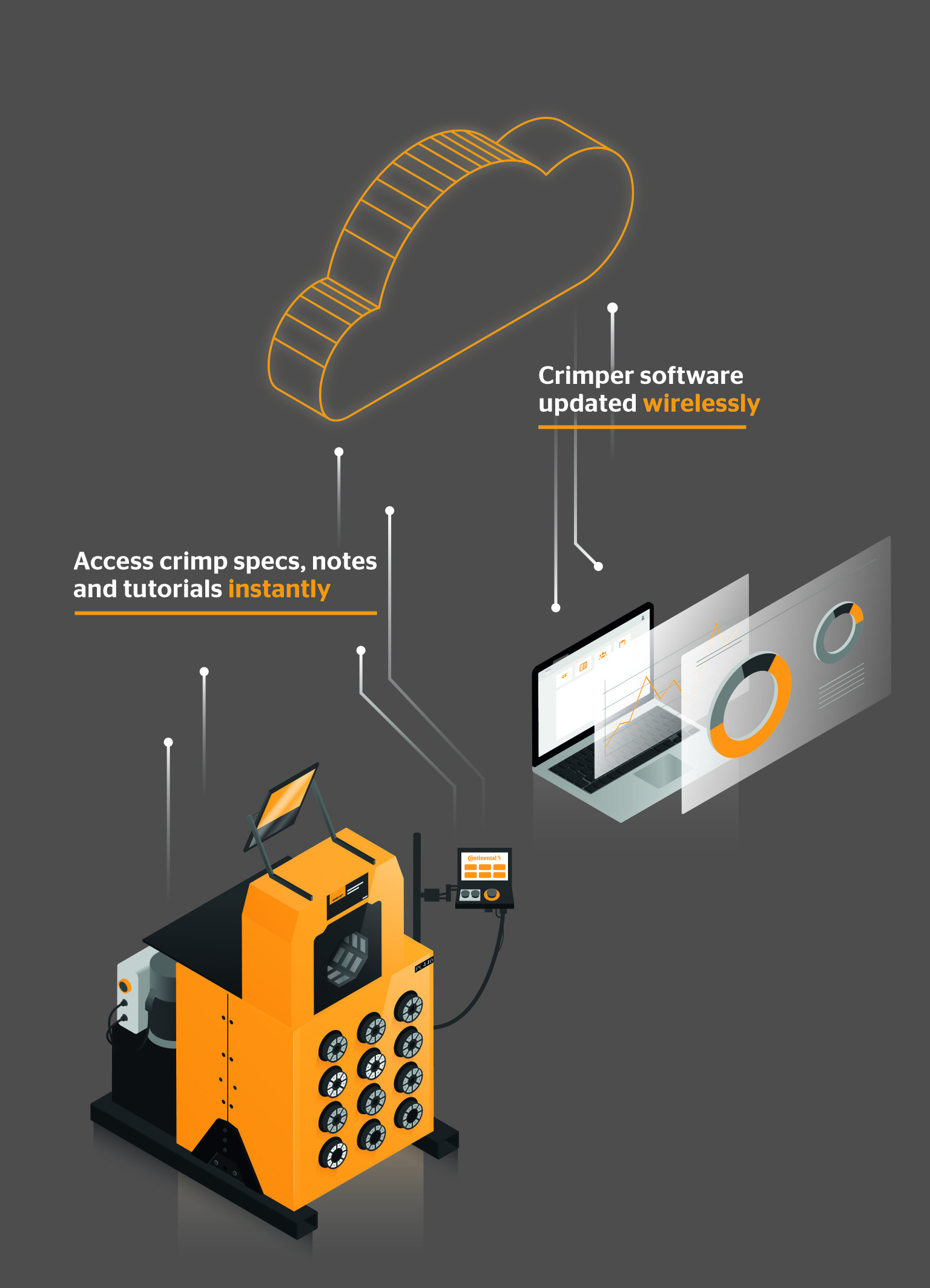
European premiere: Smart crimper for hydraulic and industrial hose markets reduces costly downtime Coupling solution for digital age: CrimpCloud connectivity platform provides latest specifications and updates and enables remote maintenance Hanover, March 2019. Technology company Continental will be unveiling its smart crimper for hydraulic and industrial hoses, the CrimpIQ controller, to a European audience for… Continue reading CrimpIQ Cloud-Based Industrial Solution Saves Time and Money for Hydraulic and Industrial Hose Customers
Grammer AG: Further increase in revenue but exceptional effects and weaker passenger vehicle sales exerted pressure on Group earnings in the third quarter
13. November 2018
Grammer AG: Weiterer Umsatzanstieg, aber Einmaleffekte sowie Pkw-Absatzschwäche belasten Konzernergebnis im dritten Quartal -Anstieg des Konzernumsatzes um 1,5 Prozent auf 1,36 Milliarden Euro
-Operatives EBIT nahezu auf Vorjahresniveau
-Starke Entwicklung des Segments Commercial Vehicles kompensiert marktbedingte rückläufige
Entwicklung im Automotive Segment
-Anpassung der Prognose für das Gesamtjahr 2018
Amberg, 13. November 2018 – Das dritte Quartal des laufenden Geschäftsjahres der Grammer AG war insbesondere durch den Abschluss der Übernahme durch die Jiye Auto Parts GmbH sowie die Absatzschwäche der Pkw-Hersteller in Europa geprägt. Das Übernahmeangebot der Jiye Auto Parts GmbH – ein verbundenes Unternehmen des strategischen Partners Ningbo Jifeng – an die Aktionäre der Grammer AG führte dazu, dass der chinesische Automobilzulieferer mit 84,23 Prozent nun größter Ankeraktionär ist. Im Automotive-Bereich ist die saisonale Belebung nach dem Ende der Sommermonate im September nicht erfolgt, so dass die Umsatz- und operative Ergebnisentwicklung von Grammer dadurch negativ beeinträchtigt wurde.
Operative Profitabilität trotz schwieriger Marktbedingungen im Automotive-Bereich nahezu auf hohem Vorjahresniveau
In den ersten neun Monaten des laufenden Geschäftsjahres steigerte der Grammer Konzern seinen Umsatz um 1,5 Prozent auf 1,4 Milliarden Euro (Vj. 1,3). Maßgeblich verantwortlich für das Wachstum war die anhaltend starke Entwicklung im Segment Commercial Vehicles, die den marktbedingten Umsatzrückgang im Segment Automotive kompensierte.
Das operative EBIT, bereinigt um Währungs- und Einmaleffekte, lag in den ersten neun Monaten mit 56,6 Millionen Euro nahezu auf dem hohen Vorjahresniveau von 58,6 Millionen Euro. Die operative EBIT-Rendite blieb mit 4,2 Prozent fast konstant (Vj. 4,4).
Das Konzernergebnis vor Zinsen und Steuern (EBIT) lag im Zeitraum Januar bis September 2018 mit 27,9 Millionen Euro allerdings deutlich unter dem Vorjahreswert von 45,8 Millionen Euro. Die EBIT-Rendite reduzierte sich dementsprechend auf 2,1 Prozent (Vj. 3,4). Das dritte Quartal 2018 war stark geprägt von den veränderten Rahmenbedingungen der Automobilbranche und der damit verbundenen allgemeinen Absatzschwäche der Pkw-Hersteller vor allem in Europa. Außerdem belasteten einmalige Sondereffekte in Höhe von insgesamt 27 Millionen Euro (Vj. 6,9) das Ergebnis von Grammer im dritten Quartal, im Wesentlichen typische einmalige Transaktionskosten im Rahmen der Übernahme der Grammer AG durch ein verbundenes Unternehmen von Ningbo Jifeng sowie Restrukturierungs- und Akquiseaufwendungen. Entsprechend lag das Ergebnis nach Steuern bei 14,9 Millionen Euro (Vj. 25,7) und damit deutlich unter dem Vorjahr.
Starkes Umsatzwachstum im asiatischen Markt
Auf regionaler Ebene verzeichnete Grammer im Heimatmarkt EMEA einen Umsatzrückgang in Höhe von 1,2 Millionen Euro auf 918,2 Millionen Euro, der hauptsächlich auf den im Vergleich zum Vorjahreszeitraum verringerten Umsatz im Segment Automotive zurückzuführen war. Durch das Wachstum des Segments Commercial Vehicles kompensierte der Konzern diesen Rückgang jedoch nahezu vollständig. In der Region Americas konnte Grammer den Umsatzrückgang des ersten Halbjahres weitgehend aufholen und liegt mit 215,0 Millionen Euro nur noch leicht unter dem Vorjahresniveau von 216,6 Millionen Euro. In der Region APAC erzielte Grammer hingegen einen deutlichen Umsatzanstieg von 11,4 Prozent auf 226,0 Millionen Euro (Vj. 202,9). Die hohe Nachfrage in den wichtigen Teilmärkten Deutschland, USA und China wirkte sich im Wesentlichen sehr positiv auf das Segment Commercial Vehicles aus.
Anhaltend hohe Umsatzzuwächse im Segment Commercial Vehicles
Aufgrund steigender Absätze in den Märkten Landtechnik, Baumaschinen und Truck erzielte Grammer in den ersten neun Monaten im Segment Commercial Vehicles einen erfreulichen Umsatzanstieg um 14,6 Prozent auf 456,0 Millionen Euro gegenüber dem Vorjahreszeitraum (Vj. 397,8). Bedingt durch die positive Marktentwicklung in allen Regionen erhöhte sich das operative Segment-EBIT im Berichtszeitraum von 34,3 Millionen Euro auf 43,5 Millionen Euro. Aufgrund der Umsatzsteigerung stieg auch die operative EBIT-Rendite auf 9,5 Prozent (Vj. 8,6).
Der Umsatz im Segment Automotive lag in den ersten neun Monaten 2018 mit 942,7 Millionen Euro leicht unter dem Vorjahresniveau von 973,9 Millionen Euro. Diese Entwicklung war hauptsächlich auf die hohe Anzahl von Neuanläufen und den damit einhergehenden geringeren Umsatzvolumina in der Hochlaufphase sowie dem modellbedingten Absatzrückgang in der Region Americas zurückzuführen. Hinzu kam gegen Ende des dritten Quartals die sich verstärkende Absatzschwäche der Pkw-Hersteller in der Region EMEA. Das operative EBIT im Segment Automotive lag in den ersten neun Monaten mit 24,6 Millionen Euro unter dem Vorjahresniveau (Vj. 33,1). Ergebnisbelastend wirkte sich in diesem Segment neben dem geringeren Umsatz im Vergleich zum Vorjahr die damit verbundene Minderauslastung in den betroffenen Produktionswerken aus. Die operative EBIT-Rendite des Segments lag bei 2,6 Prozent (Vj. 3,4).
Übernahme der Grammer AG durch strategischen Partner Ningbo Jifeng
Die Jiye Auto Parts GmbH, ein verbundenes Unternehmen von Ningbo Jifeng, hält nach dem Abschluss der Übernahme insgesamt 84,23 Prozent des Grundkapitals und ist damit der Mehrheitsaktionär des Amberger Automobilzulieferers. Durch die hohe Annahmequote des Übernahmeangebots haben sich die Eigentumsverhältnisse in der Aktionärsstruktur deutlicher verschoben als erwartet.
Anpassung der Gesamtjahresprognose
Für das Gesamtjahr 2018 geht der Grammer Vorstand weiterhin von einem sehr herausfordernden konjunkturellen Umfeld aus. Vor allem im Bereich Automotive wird die verstärkte und sich weiter fortsetzende Absatzschwäche vor allem im europäischen Pkw-Markt die Geschäftsentwicklung auch im vierten Quartal beeinflussen. Unter Berücksichtigung der Effekte aus der Erstkonsolidierung der US-amerikanischen TMD Gruppe zum 1. Oktober 2018 erwartet das Unternehmen einen Konzernumsatz von rund 1,85 Milliarden Euro für das Gesamtjahr 2018. Ausgelöst durch die im Jahr 2018 entstandenen signifikanten Sonderbelastungen erwartet der Vorstand des Grammer Konzerns im laufenden Geschäftsjahr ein weiter deutlich positives EBIT von nun in etwa 50 Millionen Euro und ein operatives EBIT leicht unter dem Niveau des Vorjahres. Für das Folgejahr 2019 geht Grammer ohne Sonderbelastungen bei einer Fortsetzung der stabilen gesamtwirtschaftlichen Rahmenbedingungen von einer positiven Entwicklung von Umsatz und Ergebnis aus.
Die vollständige Quartalsmitteilung des Grammer Konzerns zu den ersten neun Monaten 2018 steht auf der Unternehmenswebsite unter folgendem Link zur Verfügung:
https://www.grammer.com/investor-relations/publikationen/finanzberichte.html
Unternehmensprofil
Die Grammer AG mit Sitz in Amberg ist spezialisiert auf die Entwicklung und Herstellung von Komponenten und Systemen für die Pkw-Innenausstattung sowie von gefederten Fahrer- und Passagiersitzen für On- und Offroad-Fahrzeuge.
Im Segment Automotive liefern wir Kopfstützen, Armlehnen, Mittelkonsolen, hochwertige Interieur-Komponenten und Bediensysteme sowie innovative thermoplastische Lösungen für die Automobil-Industrie an namhafte Pkw-Hersteller im Premiumbereich und an Systemlieferanten der Fahrzeugindustrie. Das Segment Commercial Vehicles umfasst die Geschäftsfelder Lkw- und Offroad-Sitze (Traktoren, Baumaschinen, Stapler) sowie Bahn- und Bussitze.
Mit rund 15.000 Mitarbeitern ist Grammer in 19 Ländern weltweit tätig. Die Grammer Aktie ist im Prime Standard notiert und wird an den Börsen München und Frankfurt sowie über das elektronische Handelssystem Xetra gehandelt.
Download Pressemitteilung
zurück
New Grammer US subsidiary TMD receives renowned SPE Innovation Award
08. November 2018
Neue Grammer US-Tochtergesellschaft TMD erhält renommierten SPE Innovation AwardAmberg, 8. November 2018 – Anfang Oktober hatte die Grammer AG, globaler Zulieferer für Pkw-Innenausstattung und Nutzfahrzeugsitze, die Übernahme des amerikanischen Automobilzulieferers Toledo Molding & Die Inc. („TMD“) abgeschlossen. Mit der Akquisition von TMD hat der Grammer Konzern seine Strategie der gezielten Übernahme von Technologie-Unternehmen zur Erweiterung der eigenen Produktpalette und des Prozess-Know-Hows konsequent weiterverfolgt. TMD ist für Grammer nun das Hauptstandbein im US Automotive Markt. Die TMD-Gruppe ist ein führender Spezialanbieter für die Entwicklung und Herstellung innovativer thermoplastischer Komponenten im nordamerikanischen Automobilmarkt mit einem Jahresumsatz von rund 300 Millionen USD. Vor allem in der Automobilindustrie hat der Einsatz solcher innovativen Materialien in den letzten Jahren an Bedeutung gewonnen, da heute mehr als 15 Prozent eines Pkw aus Kunststoff und Kunststoff-Verbundwerkstoffen bestehen.
Innovative TMD-Reifenhalterung bietet mehr Sicherheit und Komfort
Dass die TMD-Produkte zu den innovativsten und besten im US-Markt gehören, wurde am gestrigen Abend nun auch offiziell bestätigt: Im Rahmen der von der Society of Plastics Engineers Automotive Division („SPE“) organisierten SPE Innnovation Awards Gala in Detroit erhielt das von TMD eingereichte Produkt, eine innovative Reifenhalterung mit integrierter Rückfahrkamera und Bremslicht, den begehrten Award in der Kategorie „Process / Assembly / Enabling Technologies“. Die preisgekrönte Reifenhalterung besteht aus spritzgegossenem Magnesium und ist mit Nylon umspritzt. Die von TMD verwendete Hybrid-Verbundtechnologie nutzt die Vorteile dieser beiden Materialien und führt so zu einer Gewichtsreduktion, einer verbesserten Stoßfestigkeit, Korrosionsbeständigkeit und Tragfähigkeit der Halterung. Das innovative Produkt bietet auch für den Endverbraucher klare Vorteile. Insbesondere lässt sich der Ersatzreifen leichter anbringen und abnehmen und die integrierte und besonders gegen Stöße geschützte Rückfahrkamera bietet ein Plus an Sicherheit beim Fahren.
„Wir freuen uns mit unserer Tochtergesellschaft TMD über den SPE Innovation Award. Der Preis ist eine starke Bestätigung für die Qualität und Innovationskraft der TMD-Produkte. TMD ist für uns ein sehr wichtiges Standbein in den USA: Gemeinsam werden wir unsere Marktposition und unser Kundenportfolio im weltweit zweitgrößten Automobilmarkt ausbauen“, so Ralf Hoppe Pressesprecher der Grammer AG.
Die SPE Innovation Awards sind die älteste und größte Auszeichnung dieser Art in der Automobil- und Kunststoffindustrie. Bereits zum 48. Mal prämierte die Automotive Division der Society of Plastics Engineers technische Leistungen in allen Phasen neuer Anwendungen von Automobilkunststoffen und kunststoffbasierten Verbundwerkstoffen. Die SPE hat weltweit über 1.000 Mitglieder.
Unternehmensprofil:
Die Grammer AG mit Sitz in Amberg ist spezialisiert auf die Entwicklung und Herstellung von Komponenten und Systemen für die Pkw-Innenausstattung sowie von gefederten Fahrer- und Passagiersitzen für On- und Offroad-Fahrzeuge.
Im Segment Automotive liefern wir Kopfstützen, Armlehnen, Mittelkonsolen, hochwertige Interieur-Komponenten und Bediensysteme sowie innovative thermoplastische Lösungen für die Automobil-Industrie an namhafte Pkw-Hersteller im Premiumbereich und an Systemlieferanten der Fahrzeugindustrie.
Das Segment Commercial Vehicles umfasst die Geschäftsfelder Lkw- und Offroad-Sitze (Traktoren, Baumaschinen, Stapler) sowie Bahn- und Bussitze.
Mit rund 15.000 Mitarbeitern ist Grammer in 19 Ländern weltweit tätig.
Die Grammer Aktie ist im Prime Standard notiert und wird an den Börsen München und Frankfurt sowie über das elektronische Handelssystem Xetra gehandelt.
Download Presse-Information
zurück
Grammer AG: Foundation stone laid for the new corporate headquarters and technology center in a ceremony with state minister Hubert Aiwanger
04. Dezember 2018
Grammer AG: Grundsteinlegung für Neubau von Konzernzentrale und Technologiezentrum mit Staatsminister Hubert Aiwanger -Offizieller Baustart für den Neubau der Grammer Konzernzentrale und des Technologiezentrums in Ursensollen / Landkreis Amberg-Sulzbach
-Stärkung der Innovationsführerschaft und Erhöhung der Attraktivität als zukunftsweisender Arbeitgeber der Automobilindustrie
-Klares Bekenntnis zur Region Oberpfalz und dem Innovationsstandort Deutschland
Amberg, 4. Dezember 2018 – Beim Grammer Konzern, internationaler Zulieferer für Pkw-Innenausstattung und Nutzfahrzeugsitze, gehen die Vorbereitungen für die neue Grammer Konzernzentrale und das neue Technologiezentrum in die nächste Phase: Nach dem Spatenstich Anfang März erfolgte heute im Beisein von Herrn Hubert Aiwanger, dem bayerischen Staatsminister für Wirtschaft, Landesentwicklung und Energie, die feierliche Grundsteinlegung für den Neubau im oberpfälzischen Ursensollen.
Auf dem großzügigen Grundstück wird ein moderner, dreiteiliger Bürogebäudekomplex entstehen, der neben der Konzernzentrale auch umfassende Design- und Ergonomie-Labore umfasst. Erstmals werden somit die Entwicklungsaktivitäten der beiden Konzernsegmente Automotive und Commercial Vehicles sowie die Konzernzentrale am gleichen Standort zentral zusammengeführt. Damit ist die räumliche Voraussetzung für eine optimale Zusammenarbeit der verschiedenen Abteilungen gegeben, Synergien werden geschaffen und die Effizienz in den Entwicklungsprozessen erhöht.
Zeitlich laufen die Fertigstellungsmaßnahmen nach Plan. Der Umzug in den ersten Bauabschnitt wird bereits Ende 2019 erfolgen. Das vierstöckige Büro- und Verwaltungsgebäude wird künftig auf knapp 22.000 Quadratmetern rund 700 Mitarbeitern eine moderne, zeitgemäße Arbeitsumgebung mit modernster Technologie bieten. Für das größte Bauprojekt in der Unternehmensgeschichte investiert Grammer in zwei Bauabschnitten insgesamt über 40 Millionen Euro.
„Diese Investitionsentscheidung ist ein weiterer Beleg dafür, dass auch der ländliche Raum hochattraktiv für hochqualifizierte Arbeitsplätze ist. Technologische Entwicklungen wie Digitalisierung und Internet oder auch das Additive Manufacturing führen dazu, dass neue Chancen für den ländlichen Raum durch dezentralisierte Produktion entstehen, die wir aktiv zur ausgewogenen Entwicklung ganz Bayerns nutzen wollen. Die bayerische Wirtschaft steht für Innovation und Technologie. Bayern belegt in puncto Wettbewerbsfähigkeit in internationalen Rankings regelmäßig Spitzenplätze. Um auch künftig Schlüsseltechnologien aus und für Bayern zu entwickeln, sind starke Partner nötig. Dazu zählen unsere Unternehmen wie die Grammer AG – Weltkonzerne oder erfolgreiche Mittelständler – unsere exzellenten Forschungseinrichtungen und die Bayerische Staatsregierung. Wir alle ziehen an einem Strang, um den Wirtschaftsstandort Bayern fortlaufend voranzubringen“, so der bayerische Wirtschaftsminister Hubert Aiwanger.
Hartmut Müller, Vorstandsvorsitzender der Grammer AG ergänzt: „Der Neubau unserer Konzernzentrale mit Technologiezentrum und der damit verbundene Ausbau unserer Forschungs- und Entwicklungsaktivitäten ist ein wichtiger Meilenstein für die erfolgreiche Zukunft von Grammer. Als führender Zulieferer sehen wir uns als innovativer Entwicklungspartner der globalen Fahrzeugindustrie. Mit dem neuen Technologiezentrum in Ursensollen können wir unsere Spitzenposition für innovative Interieur-Lösungen weiter ausbauen. Gleichzeitig ist die Investition auch ein Bekenntnis zu unserer Heimat Oberpfalz.“
An der gemeinsamen symbolischen Grundsteinlegung durch den Vorstand der Grammer AG zusammen mit Hubert Aiwanger, dem bayerischen Staatsminister für Wirtschaft, Landesentwicklung und Energie, nahmen unter anderem auch der Regierungspräsident der Oberpfalz Axel Bartelt, der stellvertretende Landrat Hans Kummert und der Bürgermeister der Gemeinde Ursensollen Franz Mädler teil.
Unternehmensprofil
Die Grammer AG mit Sitz in Amberg ist spezialisiert auf die Entwicklung und Herstellung von Komponenten und Systemen für die Pkw-Innenausstattung sowie von gefederten Fahrer- und Passagiersitzen für On- und Offroad-Fahrzeuge. Im Segment Automotive liefern wir Kopfstützen, Armlehnen, Mittelkonsolen, hochwertige Interieur-Komponenten und Bediensysteme sowie innovative thermoplastische Lösungen für die Automobil-Industrie an namhafte Pkw-Hersteller im Premiumbereich und an Systemlieferanten der Fahrzeugindustrie. Das Segment Commercial Vehicles umfasst die Geschäftsfelder Lkw- und Offroad-Sitze (Traktoren, Baumaschinen, Stapler) sowie Bahn- und Bussitze.
Mit rund 15.000 Mitarbeitern ist Grammer in 19 Ländern weltweit tätig. Die Grammer Aktie ist im Prime Standard notiert und wird an den Börsen München und Frankfurt sowie über das elektronische Handelssystem Xetra gehandelt.
Download Presse Information
zurück
Grammer AG: Contract signed for new joint tech center in India
07. Dezember 2018
Grammer AG: Vertragsabschluss für neues Joint-Tech-Center in Indien -Grammer und AllyGrow Technologies gründen Joint-Tech-Center in Indien
-Entstehung eines modernen R&D Tech-Centers in Pune, ausgelegt für bis zu 120 Mitarbeiter
-Eröffnung geplant für Dezember 2018
Amberg, 07. Dezember 2018 – Der Grammer Konzern, führender globaler Zulieferer für Pkw-Innenausstattung und Nutzfahrzeugsitze, hat im Rahmen der konsequenten Umsetzung seiner Strategie im Bereich Research & Development (R&D) einen weiteren signifikanten Schritt getätigt. Bereits im August dieses Jahres hatte Grammer die Gründung eines Joint Venture in Indien angekündigt. Nun erfolgte die Vertragsunterzeichnung mit dem indischen Entwicklungsdienstleister AllyGrow Technologies zur Gründung eines Joint-Tech-Center im westindischen Pune.
Wichtiger Meilenstein zur Umsetzung der globalen R&D Strategie erreicht
Pune gilt als das „Oxford des Ostens“ in Indien. Hier stehen viele exzellent ausgebildete Ingenieure zur Verfügung. Das neue Joint-Tech-Center in Pune wird zukünftig einen bedeutenden Beitrag zur Steigerung der globalen R&D-Performance und Effizienz leisten. Die Realisierung von Potenzialen zur Kosteneinsparung und die Verringerung des Anteils externer Dienstleistungen in Verbindung mit dem nachhaltigen Aufbau von eigenem Know-How wird hiermit eindrucksvoll vorangetrieben und ermöglicht eine Anpassung an die stetig wachsenden Marktanforderungen.
Über das neue Joint-Tech-Center, das unter dem Namen „AllyGram Systems and Technologies“ firmieren wird, werden künftig Konstruktionstätigkeiten für die weltweiten Grammer-Standorte abgewickelt. Das Joint Venture „AllyGram Systems and Technologies“ bezieht im Blueridge Qubix Business Park in Pune neue moderne Büroräume, die voraussichtlich im Dezember 2018 eröffnet werden. Das „State of the Art“ Joint-Tech-Center ist zukunftsweisend für bis zu 120 Mitarbeiter ausgelegt.
„Eine flexible und effiziente globale R&D-Organisation ist für Grammer von essentieller Bedeutung, um unsere innovativen Produkte schnell und effizient auf den Markt zu bringen. Das neue Joint-Tech-Center in Indien, das wir mit unserem Partner AllyGrow Technologies gegründet haben, wird uns dabei maßgeblich unterstützen. Durch unser Engagement in Indien werden wir zukünftig in der Lage sein, unsere Entwicklungsprozesse im Rahmen unserer R&D-Strategie weiter zu optimieren, uns in den wichtigen Märkten in Europa, Asien und Nordamerika gegenüber den Wettbewerbern zu positionieren und unsere Marktposition mit innovativen Produkten und Technologien weiter auszubauen“, so Dr. Michael Borbe, Vice President Global R&D von Grammer.
Grammers neuer Partner AllyGrow Technologies ist ein global agierender Entwicklungsdienstleister im Bereich Automotive, Engineering sowie Aerospace und ist weltweit an sechs Standorten mit rund 300 Ingenieuren vertreten, die seit Jahren in Indien aktiv sind.
Unternehmensprofil
Die Grammer AG mit Sitz in Amberg ist spezialisiert auf die Entwicklung und Herstellung von Komponenten und Systemen für die Pkw-Innenausstattung sowie von gefederten Fahrer- und Passagiersitzen für On- und Offroad-Fahrzeuge.
Im Segment Automotive liefern wir Kopfstützen, Armlehnen, Mittelkonsolen, hochwertige Interieur-Komponenten und Bediensysteme sowie innovative thermoplastische Lösungen für die Automobil-Industrie an namhafte Pkw-Hersteller im Premiumbereich und an Systemlieferanten der Fahrzeugindustrie. Das Segment Commercial Vehicles umfasst die Geschäftsfelder Lkw- und Offroad-Sitze (Traktoren, Baumaschinen, Stapler) sowie Bahn- und Bussitze.
Mit rund 15.000 Mitarbeitern ist Grammer in 19 Ländern weltweit tätig. Die Grammer Aktie ist im Prime Standard notiert und wird an den Börsen München und Frankfurt sowie über das elektronische Handelssystem Xetra gehandelt.
Download Presse Information
zurück
Tower Completes Value Creating Sale of its European Operations
Tower Completes Value Creating Sale of its European Operations
LIVONIA, Mich., March 1, 2019 /PRNewswire/ — Tower International, Inc. (NYSE: TOWR), a leading manufacturer of engineered automotive structural metal components and assemblies, today announced it has completed the sale of all of its European Operations to Financière SNOP Dunois S.A.(FSD), a privately owned French automotive supplier.
The purchase price represents an Enterprise Value of €255 million which represents an EV / Adjusted EBITDA multiple of 5.4x 2018 full year earnings.
“We are pleased to have completed the divestiture of Tower's European operations at a valuation well above our current trading multiple. The divestiture reduces Tower's net leverage to less than 1 times Adjusted EBITDA, giving Tower the flexibility to continue to profitably grow our business, maintain a conservative balance sheet and continue to return of capital to our shareholders,” said CEO Jim Gouin. “I would like to thank all of the colleagues from Tower Europe for their great contributions to Tower International over the years and wish them continued success as they become part of FSD.”
The divestiture resulted in net cash proceeds of approximately $250 million after payment of transaction costs and fees and the unwinding of the Euro denominated swaps related to
Tower's Term Loan. Following the closure of the transaction, Tower repaid $50 million of outstanding Term Loan B indebtedness. This repayment, coupled with Tower's voluntary reduction to the Term Loan in July 2018 represent repayments totaling $100 million.
Gouin continued, “Since 2014, Tower's North American business has grown by more than 40 percent in a relatively flat production environment as we have benefitted from the industry's shift from passenger cars to trucks and SUVs as well as OEM outsourcing. Tower is well positioned to continue to benefit from these trends and current projections for full-year 2020 represent continued above market revenue growth, improved Adjusted EBITDA margins and significant free cash flow.”
Forward-Looking Statements and Risk Factors
This press release contains statements which constitute forward-looking statements, within the meaning of the Private Securities Litigation Reform Act of 1995, including but not limited to statements regarding the completion of the sale transaction and debt repayment described in this press release, the timing and consequences of those transactions, projected enterprise value, positioning, projected truck revenues and the outlook for revenue, Adjusted EBITDA Margin, and net leverage. The forward-looking statements can be identified by words such as “anticipate,” “believe,” “plan,” “estimate,” “expect,” “intend,” “project,” “target,” and other similar expressions. Forward-looking statements are made as of the date of this presentation and are based upon management's current expectations and beliefs concerning future developments and their potential effects on us. Such forward-looking statements are not guarantees of future performance. The following important factors, as well as risk factors described in our reports filed with the SEC, could cause our actual results to differ materially from estimates or expectations reflected in such forward-looking statements:
global automobile production volumes;
the financial condition of our customers and suppliers;
our ability to make scheduled payments of principal or interest on our indebtedness and comply with the covenants and restrictions contained in the instruments governing our indebtedness;
our ability to refinance our indebtedness;
risks associated with our non-U.S. operations, including foreign exchange risks and economic uncertainty in some regions;
any increase in the expense and funding requirements of our pension and other postretirement benefits;
our customers' ability to obtain equity and debt financing for their businesses;
our dependence on our largest customers;
pricing pressure from our customers;
changes to U.S. trade and tariff policies and the reaction of other countries thereto;
work stoppages or other labor issues affecting us or our customers or suppliers;
our ability to integrate acquired businesses;
our ability to take advantage of emerging secular trends,
risks associated with business divestitures; and
costs or liabilities relating to environmental and safety regulations.
We do not assume any obligation to update or revise the forward-looking statements contained in this press release.
Contact:
Derek Fiebig
Executive Director, Investor & External Relations
(248) 675-6457
fiebig.derek@towerinternational.com
View original content:http://www.prnewswire.com/news-releases/tower-completes-value-creating-sale-of-its-european-operations-300804627.html
SOURCE Tower International
Notice regarding Status of Acquisition of Treasury Stock
Original Article
Grammer AG appointing Manfred Pretscher as new interim CEO and Jens Öhlenschläger as new member of the Executive Board
20. Dezember 2018
Grammer AG beruft Manfred Pretscher als Interims-CEO und bestellt Jens Öhlenschläger als neues Vorstandsmitglied -Vorstandsmitglied Manfred Pretscher wird Interims-CEO und Interims-CFO
-Berufung von Jens Öhlenschläger zum neuen Vorstandsmitglied als Chief Operating Officer
-Suche nach langfristigen Nachfolgern für vakante Vorstandspositionen schreitet planmäßig voran
Amberg, 20. Dezember 2018 – Der Automobilzulieferer Grammer AG meldet erste Entscheidungen bei der Neubesetzung des Vorstands. Das bisherige Vorstandsmitglied Manfred Pretscher wird zum 1. Januar 2019 interimistisch die Position des CEO übernehmen und ebenfalls interimistisch auch als Finanzvorstand agieren bis die Nachfolger für die Positionen CEO und CFO gefunden sind. Er folgt damit auf CEO Hartmut Müller und CFO Gérard Cordonnier, die ihre Ämter zum Jahresende niederlegen werden.
Kontinuität und reibungslose Übergabe gewährleistet
Mit der Berufung von Manfred Pretscher zum Interims-CEO ist die Kontinuität der Unternehmensführung und der Strategie von Grammer während der Übergangsphase und der Suche nach langfristigen Nachfolgern für die vakanten Vorstandspositionen gewährleistet. Manfred Pretscher hat ebenfalls sein vorzeitiges Ausscheiden angekündigt, wird aber dem Unternehmen noch bis Ende Juni 2019 erhalten bleiben und damit einen reibungslosen Übergang sicherstellen.
„Der Aufsichtsrat freut sich, dass mit Manfred Pretscher eine Lösung gefunden wurde, die eine reibungslose Übergabe an die neuen Vorstandsmitglieder sicherstellt. Herr Pretscher ist seit 2010 im Vorstand der Grammer AG und wird nun als Interims-CEO und Interims-CFO dem Unternehmen bis zur Jahresmitte 2019 verbunden bleiben“, erläutert Dr. Klaus Probst, Vorsitzender des Aufsichtsrats der Grammer AG.
Neuberufung von Jens Öhlenschläger zum COO im Grammer Vorstand
Für die Position des neuen Chief Operating Officer (COO) konnte ein erfahrener Kandidat aus dem Grammer Konzern gewonnen werden. Neuer COO wird Jens Öhlenschläger, der über langjährige Erfahrung auf internationaler Ebene in verschiedenen Positionen aus der Zuliefererbranche verfügt. Der Diplom-Ingenieur ist seit 2015 im Grammer Konzern tätig und verantwortet aktuell dort die Division Consoles and Armrests, in der hochwertige Mittelkonsolen entwickelt und produziert werden.
„Mit der Berufung von Jens Öhlenschläger setzen wir ein Zeichen für die Bedeutung der Produkt- und Prozesskompetenz im Unternehmen. Der Aufsichtsrat freut sich, dass er innerhalb des Konzerns eine hervorragende Führungskraft für die Neubesetzung des Chief Operating Officer gewinnen konnte. Das neue Vorstandsteam wird den Erfolg von Grammer vorantreiben sowie die erfolgreiche Integration der US-amerikanischen Tochtergesellschaft TMD sicherstellen“, ergänzt Dr. Probst weiter.
Jens Öhlenschläger wird seine neue Funktion am 1. Januar 2019 übernehmen und erhält einen Vertrag über zunächst drei Jahre.
Unternehmensprofil
Die Grammer AG mit Sitz in Amberg ist spezialisiert auf die Entwicklung und Herstellung von Komponenten und Systemen für die Pkw-Innenausstattung sowie von gefederten Fahrer- und Passagiersitzen für On- und Offroad-Fahrzeuge.
Im Segment Automotive liefern wir Kopfstützen, Armlehnen, Mittelkonsolen, hochwertige Interieur-Komponenten und Bediensysteme sowie innovative thermoplastische Lösungen für die Automobil-Industrie an namhafte Pkw-Hersteller im Premiumbereich und an Systemlieferanten der Fahrzeugindustrie. Das Segment Commercial Vehicles umfasst die Geschäftsfelder Lkw- und Offroad-Sitze (Traktoren, Baumaschinen, Stapler) sowie Bahn- und Bussitze.
Mit rund 15.000 Mitarbeitern ist Grammer in 19 Ländern weltweit tätig. Die Grammer Aktie ist im Prime Standard notiert und wird an den Börsen München und Frankfurt sowie über das elektronische Handelssystem Xetra gehandelt.
Download Pressemitteilung
zurück