If I were to gaze into a crystal ball and predict what kinds of articles classic car magazines will be pumping out in 25 years’ time, staring back at me from within the quartz would be one letter and two numbers: B58.
A few pages on the history, the birth, the need for a new adaptable straight six that could handle a few configurations would be a gimme; a double-page spread on its tunability and value for money on the used market another. But the big cover lead would be a group test of every car this engine featured in, from BMW 3 Series to Z4 with Toyota, Morgan and Ineos thrown in for good measure.
The article you’re reading now, however, is a more personal tale rooted in my love of this engine. To explain it, I’ve pitted an X3 M50 against the B58 car I think it’s most different from: the Toyota GR Supra.
On a superficial level, the hot X3’s brashness only highlights the Supra’s beauty. When I first saw images of it back in 2018, I was underwhelmed, thinking the styling couldn’t hide the Z4 origins. Then when I finally got to drive one, I was unimpressed. The Supra was nothing short of iconic to me, as a member of the PlayStation generation.
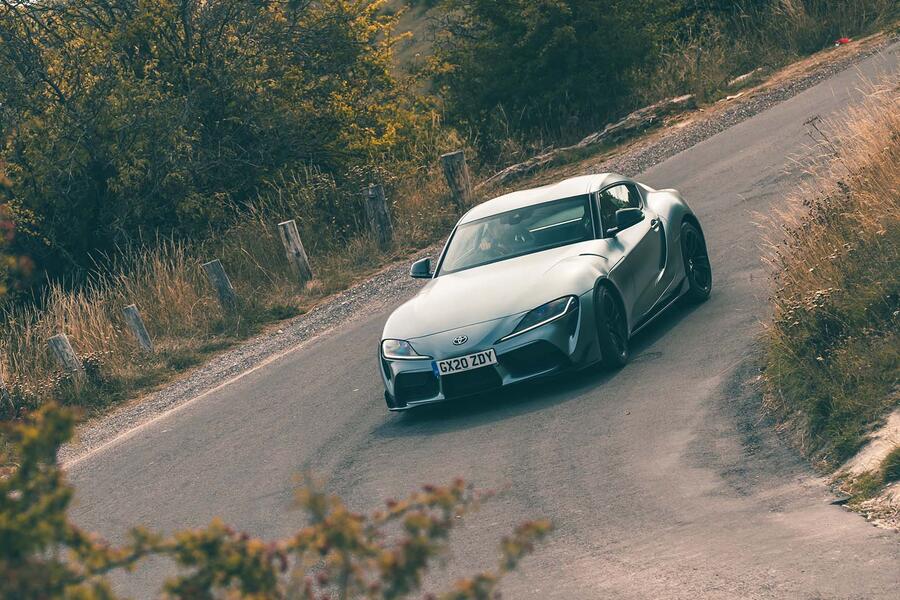
Gran Turismo, The Fast and the Furious, Max Power: the Supra was the darling for all of these cultural phenomena, and this modern revival was just a car from Munich garbed in a kimono.
Some six years have passed, and I’m happy to admit I was wrong. When this Supra turned up outside my flat, I was amazed by how good looking it was. Time has really been kind to the design. The svelte middle leading to the fatter crown line is classic sports car, and it’s so low and purposeful. Okay, there are fake air vents in the bonnet, but the rest of the design is just peachy.
The interior is exactly how I remember: peak BMW. I love having all these buttons and the quality is just superb. The X3’s interior has more rough bits of plastic and feels a bit chintzier. Although the infotainment is better (faster, prettier, slicker user interface), there’s ambient lighting (I’m nonplussed by this but I know plenty of people who like it) and the seats are much less rigid.
But then the Supra doesn’t have silly EU speed warnings that you have to turn off every time you drive it and does have wireless Apple CarPlay.
Out on the road, these two cars aren’t actually as chalk and cheese as you might think. The Supra’s driving position is on the floor, while the X3’s is much higher. The SUV feels much heavier, but it really does a good job of steering.
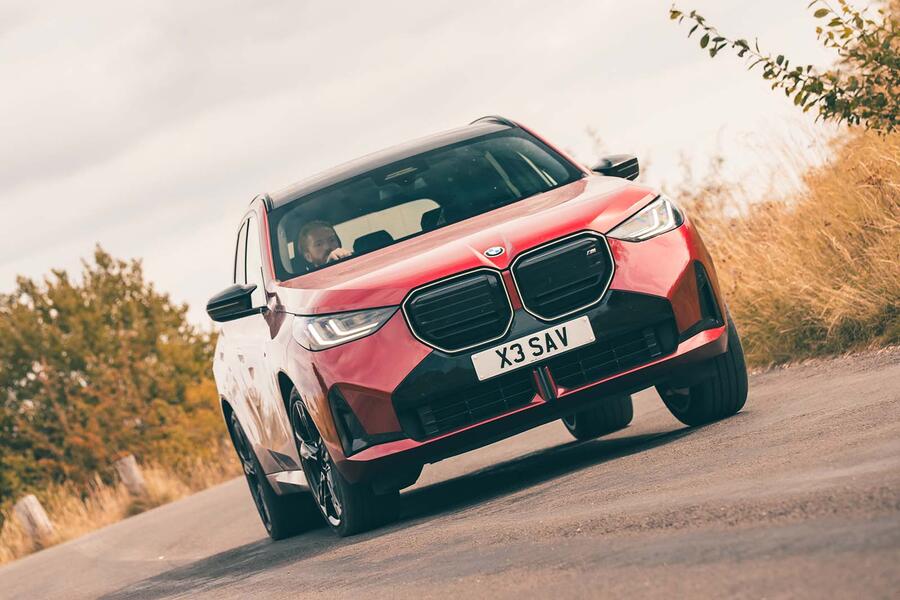
It’s also 58bhp and 59lb ft better endowed, which really makes them pretty similar pace-wise, despite the Supra weighing some 500kg less. Both share a ZF eight-speed automatic gearbox: in the X3 it’s wonderful, near-telepathic and suited to the more relaxed SUV ethos, whereas in the Supra it can feel a bit languid for a sports car.
Obviously this isn’t a straight head-to-head. These are extremely different cars with different ethoses. The thread tying them together is that each is a good car without BMW’s heroic 3.0-litre straight six – but made great by it.