India’s automotive industry wrapped up the final week of 2025 on a strong note, with manufacturers outlining ambitious electric vehicle roadmaps, announcing fresh investments, and consolidating positions through strategic acquisitions. From Tata Motors’ expanding EV portfolio to renewed momentum in the commercial vehicle and components space, the week underscored how policy tailwinds, capital inflows and product-led strategies are reshaping the sector.
Tata Motors reaffirmed its dominance in the electric passenger vehicle space, outlining plans to add five new EVs to its portfolio by FY30, including models under the upcoming Avinya brand. The company said it aims to cover every major price point in the EV market, building on strong demand for the Nexon and Punch EVs.
Deal activity remained strong during the week. BP agreed to sell a 65% stake in Castrol to private equity firm Stonepeak in a $10 billion deal, marking one of the largest transactions in the global lubricants space. HARMAN also announced the acquisition of ZF’s ADAS business for €1.5 billion, strengthening its position in automotive electronics and software.
Closer home, Samvardhana Motherson moved to acquire Nexans AutoElectric’s wiring harness business for €207 million, reinforcing India’s growing role in global automotive supply chains.
Ola Electric, meanwhile, received ₹366.78 crore under the PLI-Auto scheme, strengthening its manufacturing push, while Ather Energy announced a price hike amid rising input costs. Renault and Triumph also confirmed price increases effective January 2026.
Here’s the detailed round-up of all major developments from this week:
Tata Motors to Launch Avinya EV Brand by the End of 2026, to Add 5 New EVs by FY30
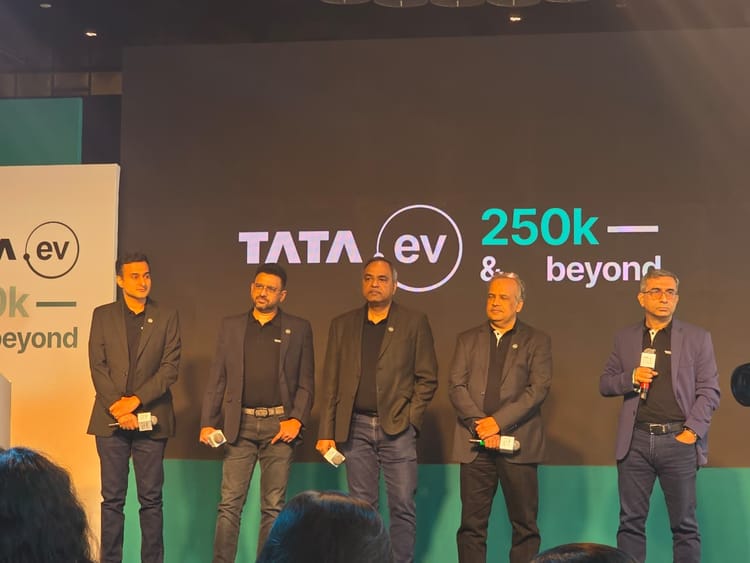 Tata Motors PV, India’s largest electric car maker, plans to add five new models to its EV portfolio, aiming to offer an electric vehicle at every price point for prospective Indian buyers.
The company announced on Tuesday that it will enter the premium EV market under the Avinya brand by the end of 2026, following the Sierra EV and Punch EV during the year. Apart from these name plates, Tata Motors will be adding three new brands to its portfolio by FY30.
GST 2.0 Lifts ICE Sales, but Tata Motors Sees no Alarm for EVs Yet
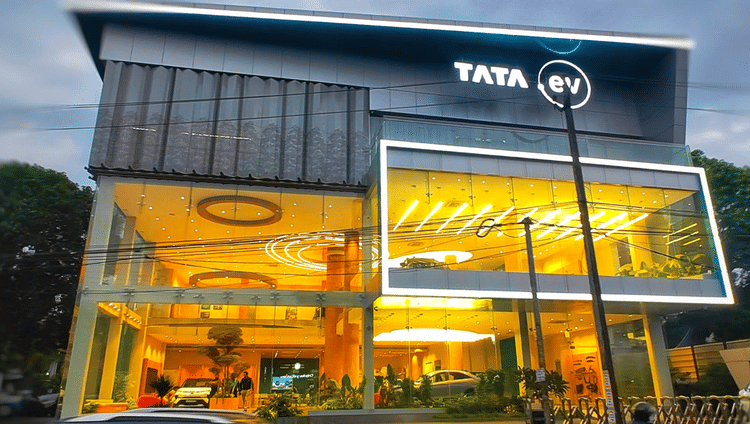 Tata Motors Passenger Vehicles Ltd has not seen any immediate impact on electric vehicle sales following the GST-led price cuts on internal combustion engine passenger vehicles, Managing Director Shailesh Chandra said on Tuesday, even as ICE demand has picked up sharply in recent months.
He cautioned that the December quarter is not the right lens to judge consumer behaviour, given the distortions caused by the festive season and year-end buying. “This is a very high-volume quarter because of the festive season and December sales,” Chandra said during a media interaction. “The real impact has to be seen from January onwards, when we get a clearer sense of how customers respond.”
Tata Motors Bets on New Models to Regain 45-50% EV Market Share
Petrol SUVs Could Be 50% of the Premium Market in Three Years: Tata Motors’ Vivek Srivatsa
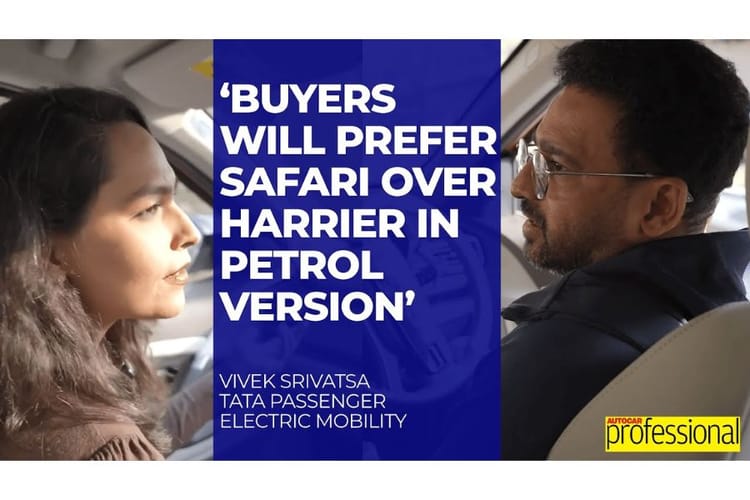 We break down Tata Motors’ strategy behind bringing petrol powertrains to the Harrier and Safari, and why the company believes gasoline SUVs are set for a major comeback. From EV-derived tech like the QLED infotainment system and rear-view camera, to pricing that undercuts diesel, Tata explains how petrol versions of the Harrier and Safari are positioned as more urbane, prestigious, and city-friendly SUVs.
M&M Seals No. 2 Position in 2025, Tata may Edge Ahead of Hyundai for No. 3
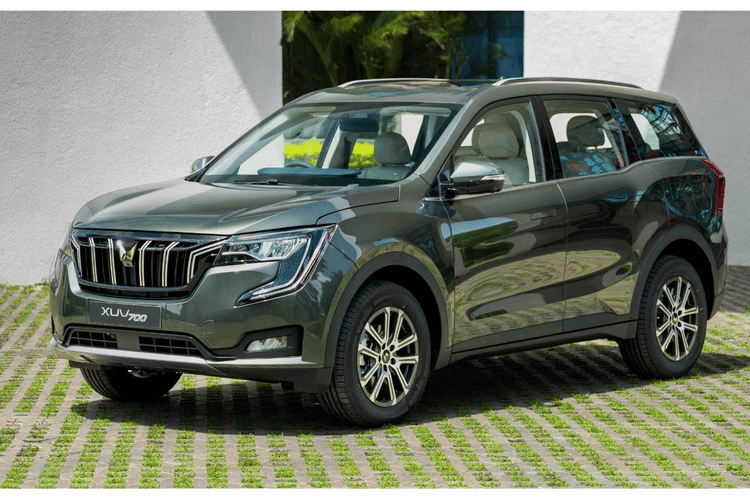 One of the major highlights of 2025 has been the overhaul in the leaderboard of the world’s third-largest passenger vehicle market’s second and third positions. Mahindra & Mahindra has sealed the No. 2 position for the first time in a calendar year, while Tata Motors edged past Hyundai Motor India and is likely to become the No. 3 player, as per the vehicle registrations data for the calendar year 2025.
According to Vahan data till December 25, M&M’s registrations were around 5.81 lakh units in the calendar year, against 4.90 lakh units in 2024. Tata Motors saw its registrations increase to 5.52 lakh units from 5.38 lakh units, while Hyundai’s registrations fell to 5.50 lakh units from 5.60 lakh units last year.
BP Agrees to Sell Majority Stake in Castrol to Stonepeak in $10 Billion Deal
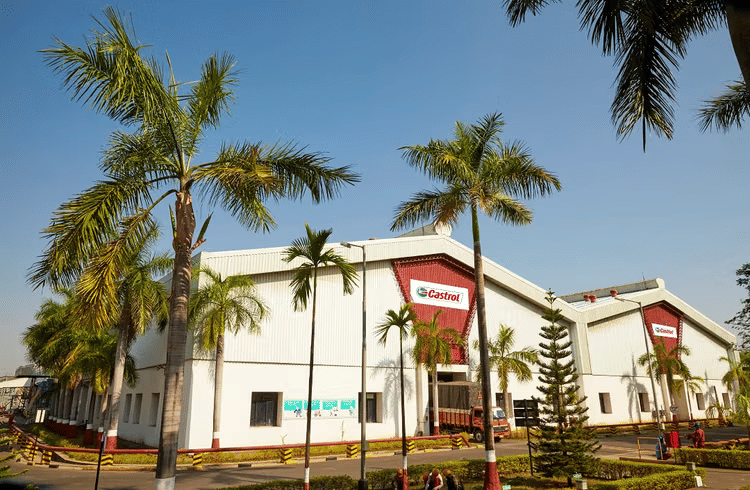 BP announced on Tuesday that it has reached an agreement to sell a majority shareholding in Castrol, its lubricants business, to alternative investment firm Stonepeak at an enterprise value of $10 billion.
Under the terms of the agreement, Stonepeak will acquire a 65% stake in Castrol, while BP retains 35% ownership in a newly formed joint venture. The transaction is expected to generate approximately $6 billion in net proceeds for BP, which will be fully allocated toward reducing the company’s net debt.
HARMAN to Acquire ZF’s ADAS Business for €1.5 Billion
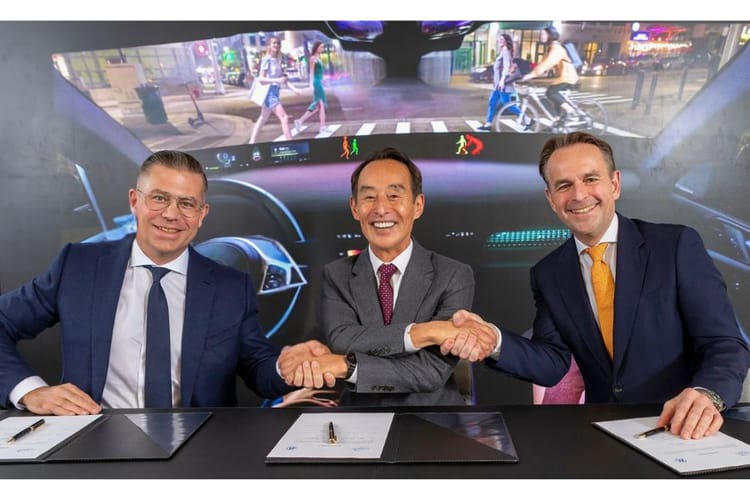 HARMAN International announced Monday it has entered a definitive agreement to acquire ZF Group’s Advanced Driver Assistance Systems business for €1.5 billion, marking a significant consolidation in the automotive technology sector.
The deal includes ZF’s automotive compute solutions, smart cameras, radars, and ADAS software functions. Approximately 3,750 ZF employees across Europe, the Americas, and Asia are expected to join HARMAN when the transaction closes in the second half of 2026, pending regulatory approvals.
Motherson to Acquire Nexans AutoElectric Wiring Harness Business
 Samvardhana Motherson International Limited has entered into exclusive negotiations to acquire the entire wiring harness business of Nexans AutoElectric GmbH through its subsidiary Motherson Global Investments B.V. The transaction, valued at €207 million on a cash and debt-free basis, remains subject to employee consultation and regulatory approvals.
AutoElectric, a manufacturer with approximately 60 years of experience in automotive wiring harnesses, generated revenues of €749 million in 2024. The company’s operations span both passenger vehicles, which comprised 81% of revenues, and commercial vehicles at 19%.
Belrise Industries, Plasan Sasa Form Partnership for Electric Military Vehicles in India
 Belrise Industries and Plasan Sasa announced a strategic agreement on December 22, 2025, to jointly pursue military contracts in India focused on electric mission platforms. The partnership will center on the ATEMM system, an electric platform designed for military operations.
The collaboration brings together Belrise Industries, an Indian automotive systems manufacturer, with Plasan Sasa, an Israeli company specializing in armor and protection systems for military vehicles. The two companies will work to adapt the All-Terrain Electric Mission Module for use by Indian defense forces.
Equipment-as-a-Service Model Touches Rs 100 Crore Revenue Stream for Volvo CE India
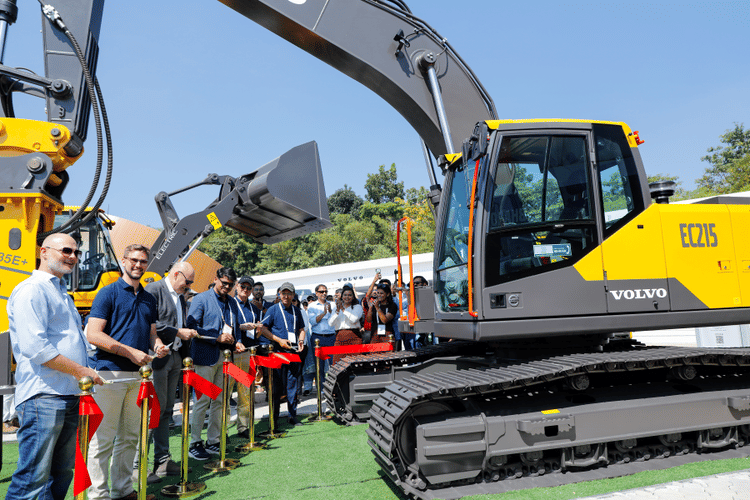 For decades, the business of India’s construction equipment manufacturers was simple: you sold a machine, shook hands, and hoped the contractor came back for another one in five years. That model is slowing down. As the Indian infrastructure market matures, the world’s leading manufacturers, such as Volvo CE, are finding that the real money isn’t just in the metal; it’s in the bedrock of services.
Dimitrov Krishnan, Managing Director of Volvo CE India, highlighting this transition, said, “Services business is actually the bedrock of a stable construction equipment industry business performance,” he said on the sidelines of the EXCON 2025 event held in Bengaluru.
Steel Strips Wheels to Expand Gujarat Operations with ₹420 Crore Investment
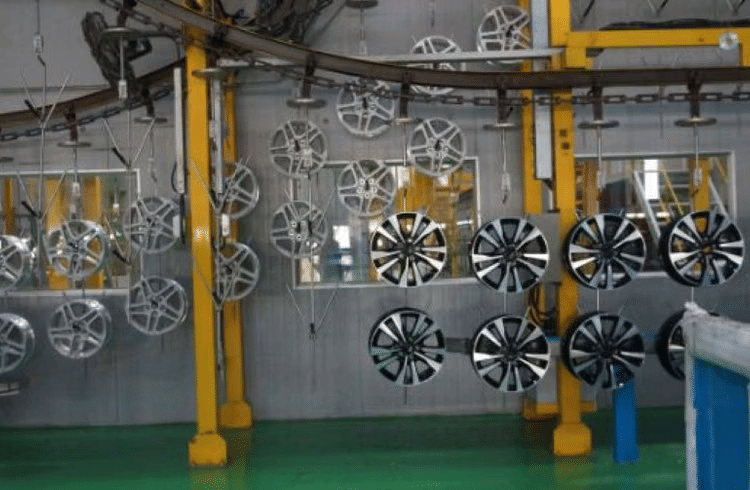 Steel Strips Wheels Limited (SSWL) announced significant expansion plans during its Board of Directors meeting held today, approving a strategic lease agreement and capacity enhancement initiatives in Gujarat.
The company’s board approved the execution of a lease agreement with AMW Autocomponent Limited (AACL), its wholly owned subsidiary, for an initial period of 11 months commencing December 26, 2025. The lease covers approximately 288,793 square meters of land situated at Bhuj-Bhachau Road, Near Village Kannaiyabe, Kachchh, Bhuj, Gujarat, with a monthly rental of ₹45 lakh.
Ola Electric Receives ₹366.78 Crore PLI-Auto Incentive from Ministry of Heavy Industries
 Ola Electric received a sanction order from the Ministry of Heavy Industries on December 25, for the release of ₹366.78 crore under the Production Linked Incentive Scheme for Automobile and Auto Components (PLI-Auto Scheme) for claims pertaining to FY 2024-25.
The sanction covers the Demand Incentive for the Determined Sales Value for FY 2024-25. The payment will be released through IFCI Limited, the designated financial institution for disbursement under the scheme. The incentive has been sanctioned according to the applicable terms and conditions of the PLI-Auto Scheme, as amended from time to time.
Ola Electric Launches Hyperservice Centres with Same-Day Service Guarantee
Renault India Announces Price Increase Across Vehicle Range from January 2026
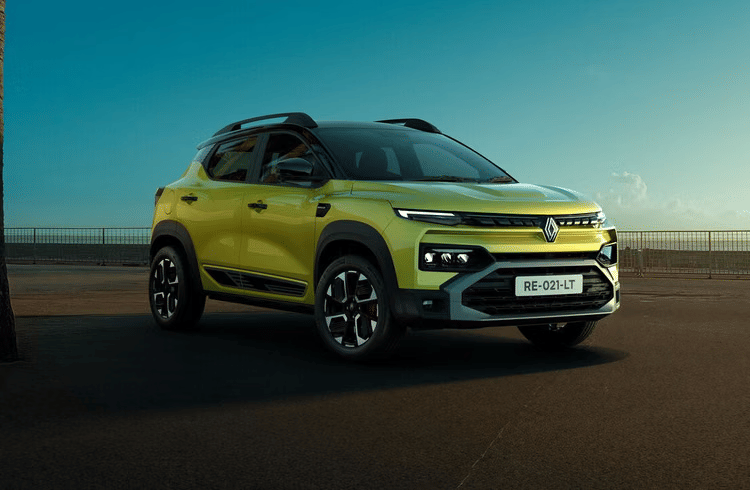 Renault India, the wholly owned subsidiary of French automotive manufacturer Renault Group, announced today that it will implement a price revision of up to 2% across its vehicle range, effective January 2026.
The adjustment will vary depending on specific models and variants within the company’s portfolio. According to the automaker, the decision stems from increased input costs and ongoing macroeconomic challenges affecting the automotive sector.
Triumph Motorcycles to Increase Prices from January 2026
 Triumph Motorcycles will revise prices across its entire model range in India effective January 1, 2026, the company announced today. Customers can purchase all Triumph models at current ex-showroom prices until December 31, 2025.
The price revision comes after the brand absorbed the impact of a recent GST slab revision on motorcycles above 350 cc. The company had also offered a ‘Special Festive Price’ on the Speed 400 and Speed T4 models to protect customers from increased ownership costs.
Ather Energy Announces Price Increase of Up to ₹3,000 on Electric Scooters
India Yamaha Motor Appoints Hajime Aota as Chairman
 India Yamaha Motor Pvt. Ltd. has appointed Hajime Aota as Chairman of Yamaha Motor India Group, effective January 1, 2026. The announcement was made on Monday as part of a leadership transition at the Japanese two-wheeler manufacturer’s Indian operations.
Aota previously served as Executive Officer at Yamaha Motor Co., Ltd. and Chief General Manager of the Corporate Strategy Center at the company’s global headquarters in Japan.
Naxatra Labs Raises $3 Million for Electric Motor Technology
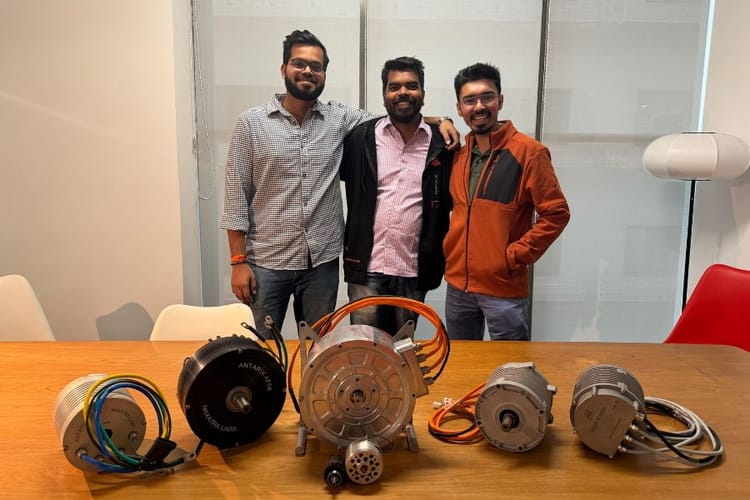 Naxatra Labs, a deeptech company specializing in high-efficiency electric motors, has completed a $3 million Pre-Series A funding round led by Rainmatter. The Ahmedabad-based startup, which designs and manufactures motors for electric vehicles and industrial applications, attracted participation from notable industry figures including Mohit Tandon of Delhivery, Vijay Shekhar Sharma of Paytm, Aloke Bajpai of Ixigo, and other prominent founders and operators.
ICRA Raises Tractor Growth Forecast to 15-17% for FY2026
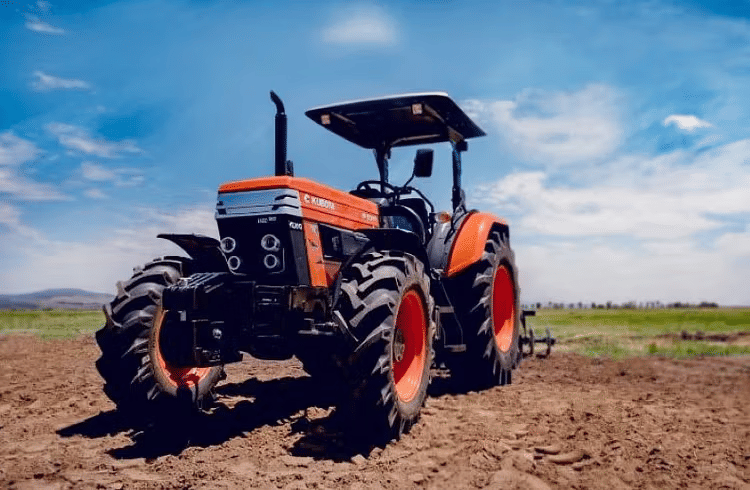 ICRA has significantly revised its growth projection for India’s tractor industry, raising the wholesale volume growth outlook for financial year 2025-26 to 15-17% from its previous estimate of 8-10%. The upgraded forecast reflects the sector’s strong recent performance and improved demand fundamentals.
The rating agency’s revision comes on the back of robust industry performance in recent months. Wholesale tractor volumes registered 30.1% year-on-year growth in November 2025, while cumulative growth for the first eight months of FY2026 stood at 19.2%.
Long Reads
A Year of Reset: India’s PV Market’s Late-2025 Revival
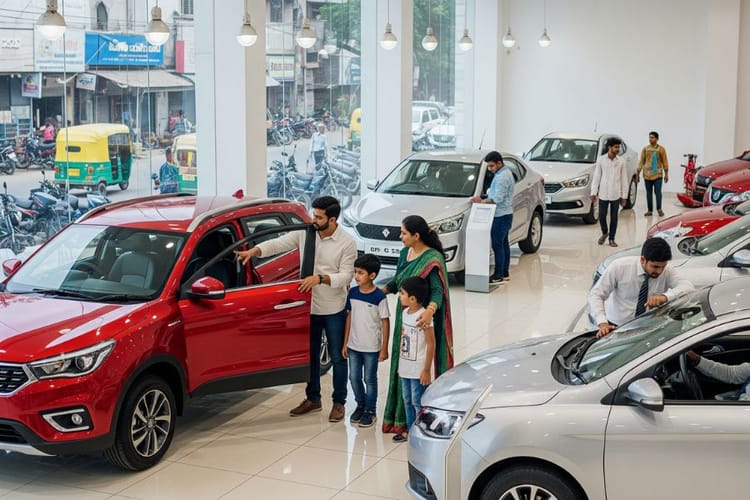 India’s passenger vehicle industry spent 2025 navigating policy shifts, supply disruptions and evolving consumer priorities, yet still found its way back to growth. Retail volumes for January-October edged up by 4% despite months of muted sentiment, disrupted EV supply chains and a fragmented powertrain landscape.
The turning point came in September with the rollout of GST 2.0. The reform reset vehicle affordability across segments and coincided with the festive season, pulling buyers back into showrooms and restoring momentum after a prolonged period of hesitation.
India’s CV Market Roars Back in 2025 on Policy Reforms and Infra Boost
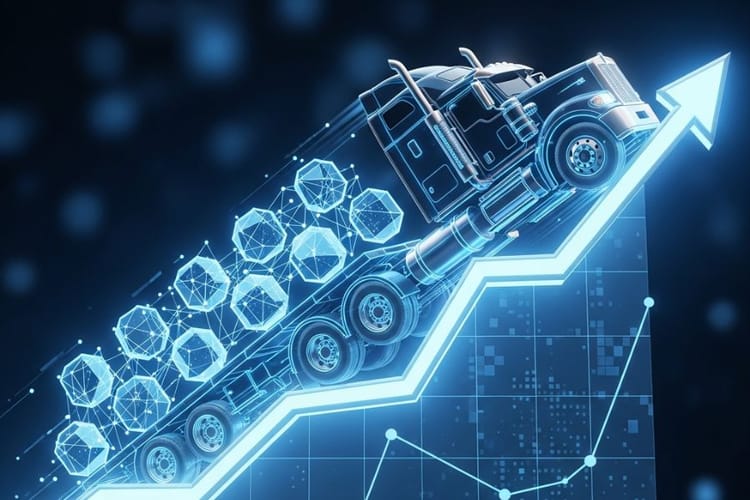 The Indian commercial vehicle (CV) market, a bellwether for the nation’s economic metabolism, has finally exited a prolonged period of deceleration, showing robust signs of recovery in the latter half of calendar year 2025. After a sluggish start marked by tepid volume growth, the industry found significant traction following key policy interventions and traditional seasonal strength.
Analysts now anticipate that the combination of recent Goods and Services Tax (GST) reforms and heightened government capital expenditure (capex) will propel the sector to a strong close in November and December, potentially delivering higher-than-expected growth for the full financial year (FY26).
A Look Back at the Major Policy Developments of 2025
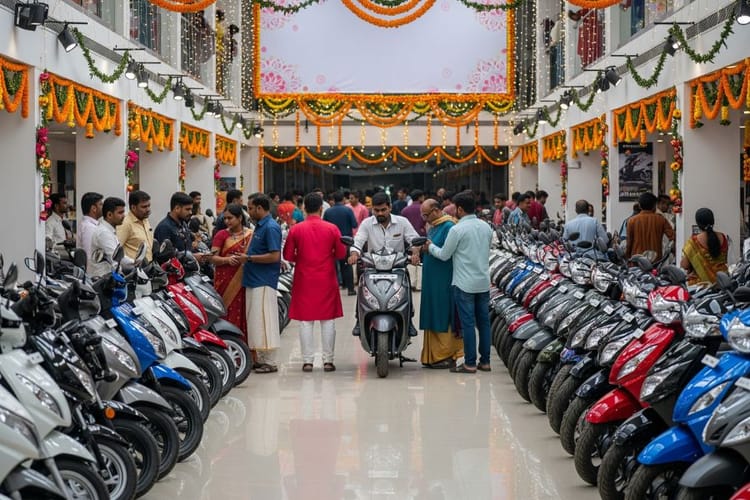 The year 2025 has unfolded as an action-packed phase for India’s automotive sector, with policy announcements arriving in rapid succession and reshaping the industry’s near-term outlook. As the country accelerates its push for localisation and competes head-to-head with global benchmarks in technology, cost and efficiency amid global supply chain disruptions and geopolitical uncertainties, incentives and regulatory clarity are shaping both investment decisions and product strategies.
It began with a reform-heavy Union Budget that offered income-tax relief to consumers and cut duties on several battery components, giving a push to electrification. Midway through the year, the government unveiled the draft of the next-generation CAFE 3 norms, signalling a sharper turn toward efficiency and cleaner technologies.
Takshi Auto Targets ₹1,000-Crore Turnover by 2030, Eyes M&As, Defence JV
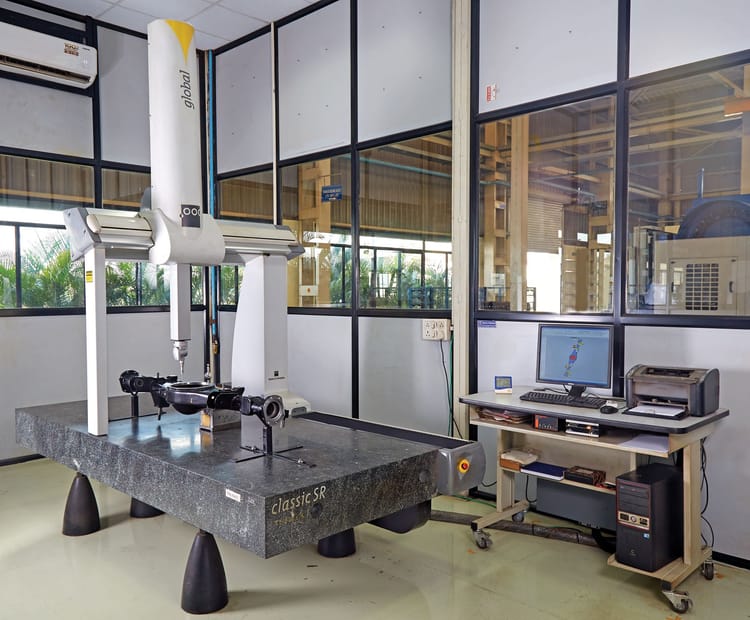 In 2003, an engineer who had cut his teeth at Tata Motors decided to bet on one of the least glamorous but most indispensable parts of a vehicle–the axle. Two decades later, Takshi Auto Components Pvt Ltd has turned that bet into a thriving business supplying axle housings and assemblies to some of India’s best-known automakers. Now, the company is preparing for its next leap.
Founder and Managing Director Amol Patel says Takshi Auto, which currently clocks around ₹550 crore in annual turnover, is targeting ₹1,000 crore by 2030. Patel expects this growth to be fuelled by rising domestic demand, a new defence-axle joint venture with a European partner, an EV-focused last-mile mobility strategy, and strategic acquisitions to expand into new product lines.
Insights & Interpretations
How Technology is Powering India’s EV Charging Revolution
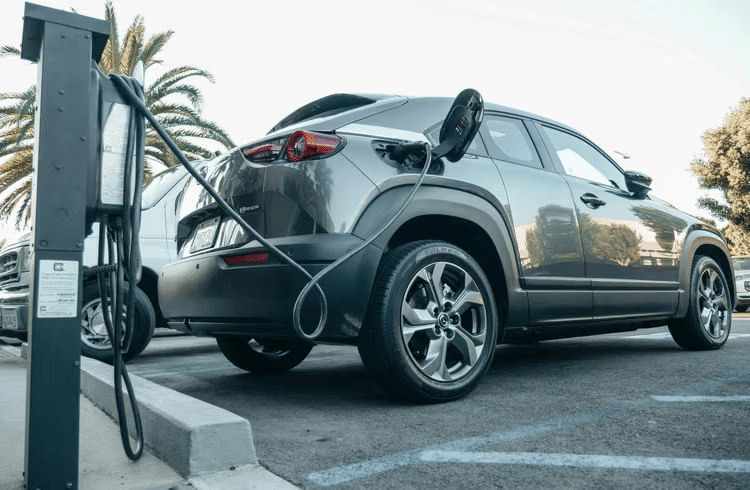 The rapid evolution of the EV charging ecosystem has accelerated its adoption manifold. From smart charging stations and real-time Internet of Things (IoT) networks to advanced mobile apps and battery swapping, technology is fueling an infrastructure boom to support India’s ambitious transition to greener mobility, which is a much-needed switch to improve and preserve environmental health.
As of mid-2025, India’s public charging stations scaled up to more than 29,000 from just 1,800 sites in February 2022. The jump mirrors India’s explosive EV sales; the fiscal year 2025 alone recorded 1.96 million electric vehicles sold, a 17% increase over the previous year. Promisingly so, this rapid expansion is also backed by the PM E-DRIVE scheme, which allocates ₹10,900 crore (USD 1.3 billion) through March 2026 for thousands of new public fast-chargers, including 48,400 dedicated for two- and three-wheelers.
Why India Must Build Stronger EPR Partnerships to Recycle Batteries in 2026
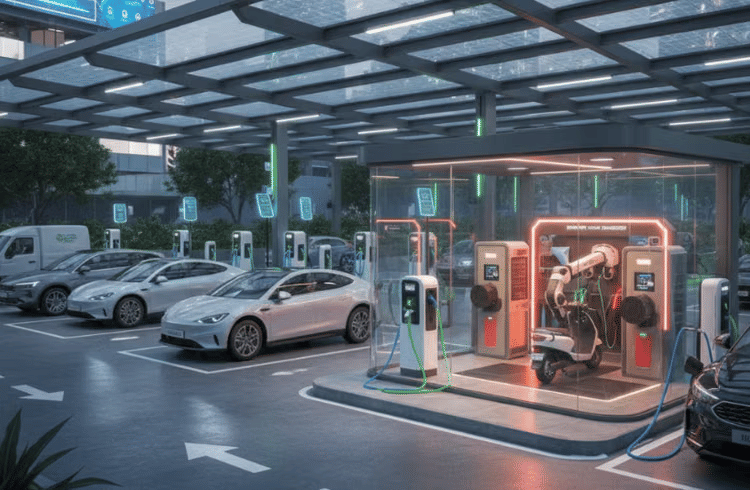 The electric mobility sector in India is at a tipping point. It started with a policy-forced transition to cut down oil imports and air pollution in cities, but now it has transformed into a complete industrial shift. The sale of electric vehicles has increased exponentially in the past couple of years because of government support, localization norms, and customer acceptance.
India plans to see 30% adoption of electric cars, 70% adoption in commercial cars, and close to complete adoption in two/three-wheelers by the end of this decade, which is driving battery ecosystem growth in India at an unprecedented pace. Despite this success, a challenge lurking beneath the surface threatens to emerge in 2026: the lithium-ion battery value chain remains fragmented, especially in the end-of-life stage.