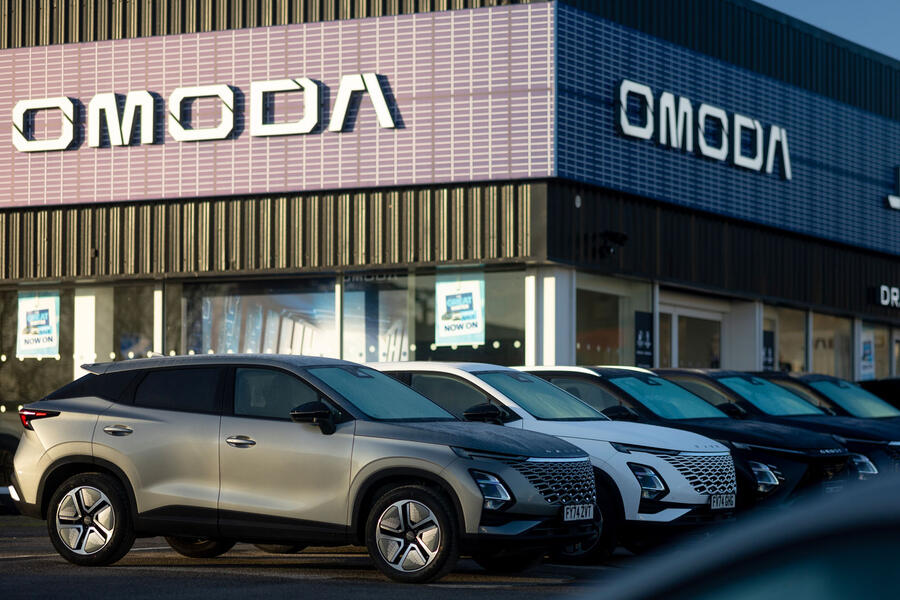
With manufacturers under pressure to sell more EVs, more brands than ever competing within the market, and sellers looking to cut through today’s cost of living crisis, 2026 promises to be “the year of the deal” for buyers, the boss of one of the country’s top dealers has told Autocar.
Robert Forrester, CEO of Vertu Motors, also said: “The offers for consumers will be unbelievable and, in my opinion, even uneconomic for dealers and OEMS. They’ll be that good.”
Evidence to support Forrester’s prediction could be seen in some of the deals on offer before the turn of the year, as car makers and dealers continued to fight to win sales against a backdrop of a sluggish economy. Deals included discounts approaching 27% on some Seat Leons, almost 30% on top-end Jeep Avenger Electrics and nearly £9000 off the price of a Honda e:Ny1.
Indeed, the main focus of this year’s bumper discounts and offers is likely to be EVs, due to the increase in the ZEV mandate up from 28% last year to 33% in 2026. This will put intense pressure on manufacturers.
However, Philip Nothard, insight director at Cox Automotive International, said dealers and car makers need to be cautious.
“The jump in the ZEV mandate is significant,” he said. “We [were] short of [2025’s] target and the discount war it has created to get to this point has been significant. With total new car sales [this] year likely to remain around two million, the industry must be wary of a similar push for sales as we go into 2026.”
One alternative to heavy discounting of EVs is to ration combustion-engined cars, say industry experts. Manufacturers are already suspected of reducing supplies of ICE cars and Forrester believes it’s a tool they could also use in 2026.
“More than 80% of my retail customers want an ICE or hybrid car,” he said. “The penetration in retail channels of EVs is just 14%. Until we get the re-establishment of market economics in the car business – with customers having what they want rather than government telling them what they should have – we risk getting into the rationing of ICE cars [this] year, making them harder to find and more expensive.”
Manufacturers aren’t about to give up on ICE vehicles just yet, though. Because petrol, hybrid and diesel vehicles still account for almost 80% of registrations, competition among car makers is expected to increase through 2026 as more vehicle brands are launched – most likely from Asia, following the success of BYD, Jaecoo and Omoda.