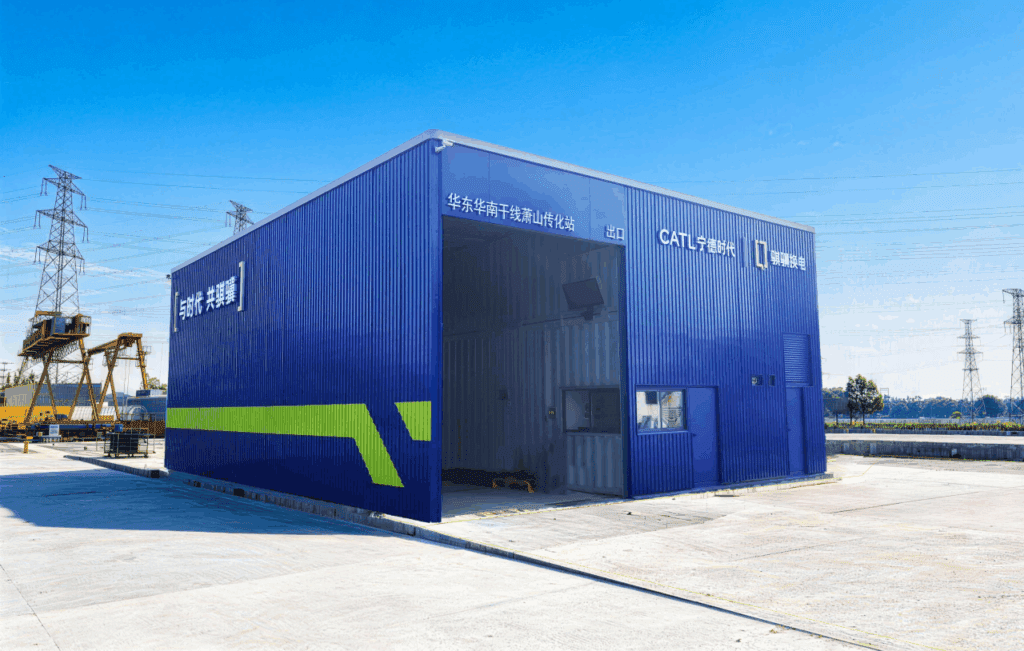
Chinese battery giant CATL recently completed the deployment of its 1,325th battery swapping station in China.
CATL’s Chocolate Battery Swapping network, which focuses on passenger EVs, has installed its 1,020th station in Nanchang, while its Qiji Battery Swapping network for commercial vehicles completed its 305th station, located in Hangzhou, part of its East and South China trunk line.
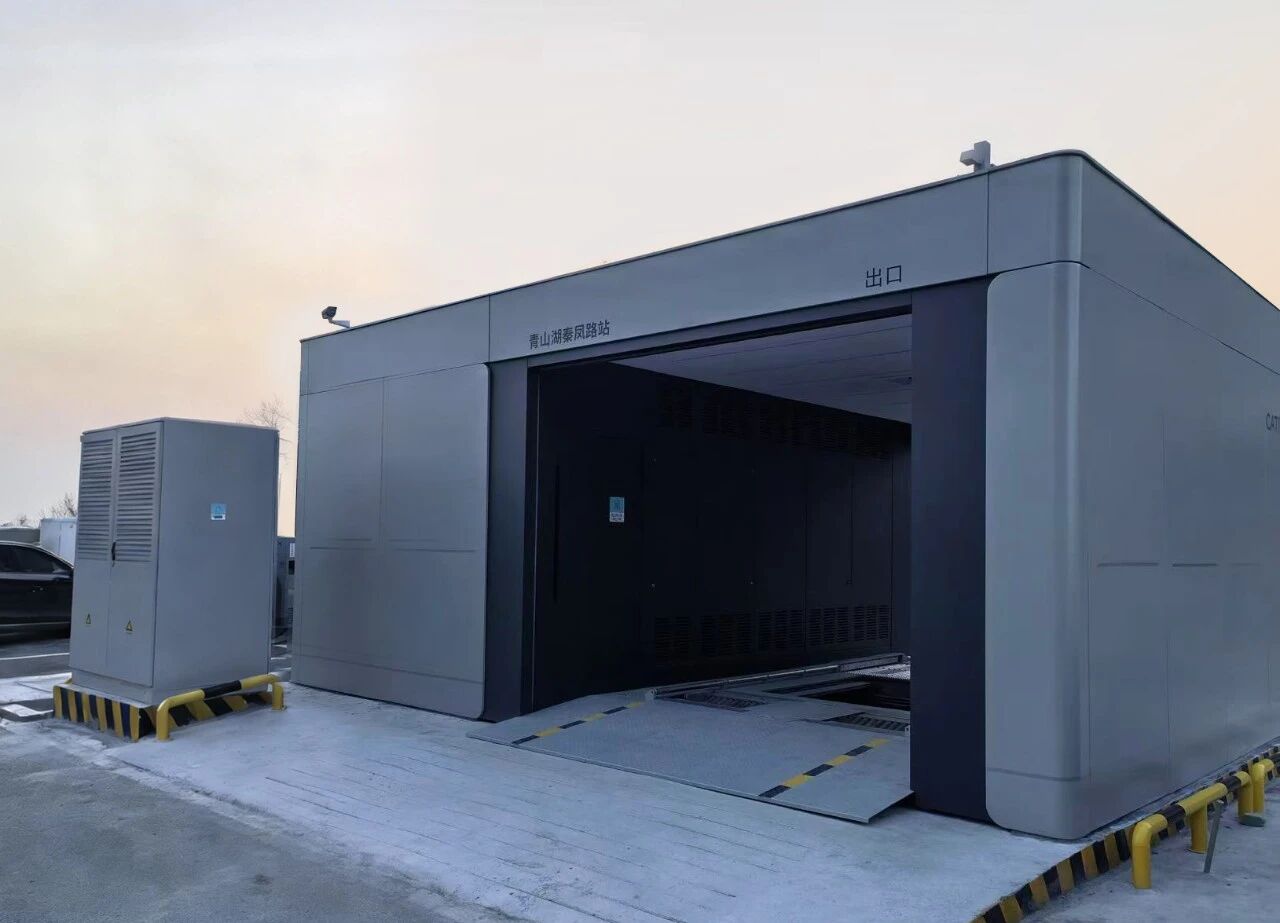
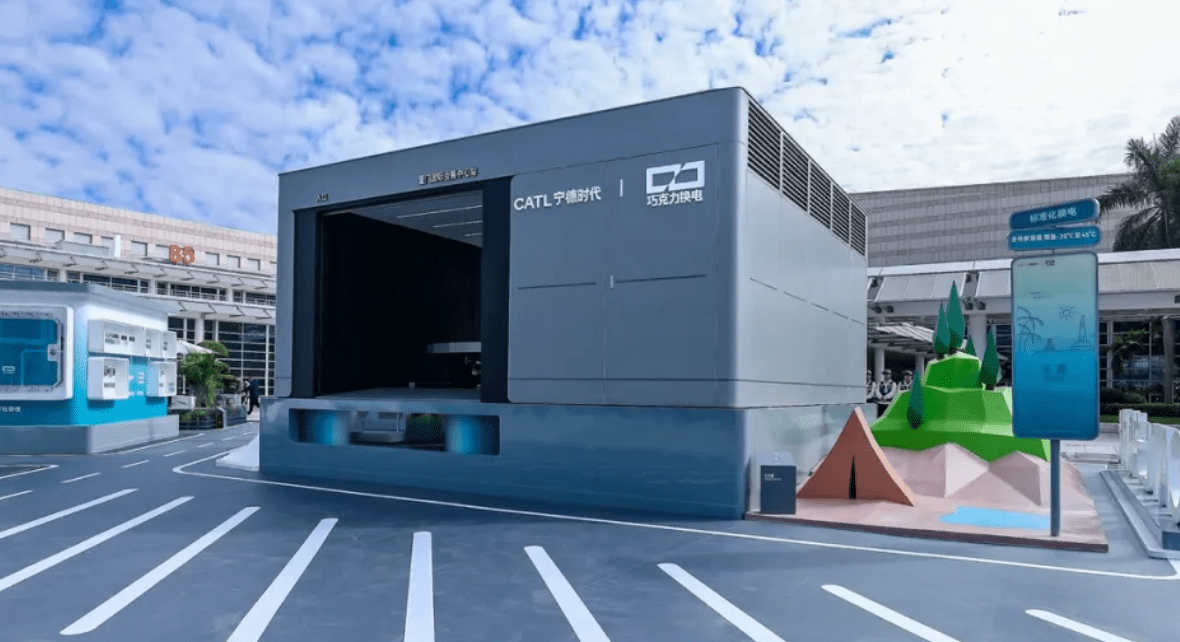
In one year, Chocolate Battery Swapping has extended into core urban clusters and has now entered 45 cities across China, serving major economic zones such as the Yangtze River Delta, the Beijing-Tianjin-Hebei region, the Sichuan-Chongqing region and the Greater Bay Area. The battery swapping stations can operate in temperatures ranging from -30° C to 42° C.
Chocolate Battery Swapping has established strategic partnerships with firms such as state oil producer Sinopec, the State Grid and China Southern Power Grid, ride-hailing app Didi, and transportation investment groups in various regions, to jointly promote the construction and operation of stations.
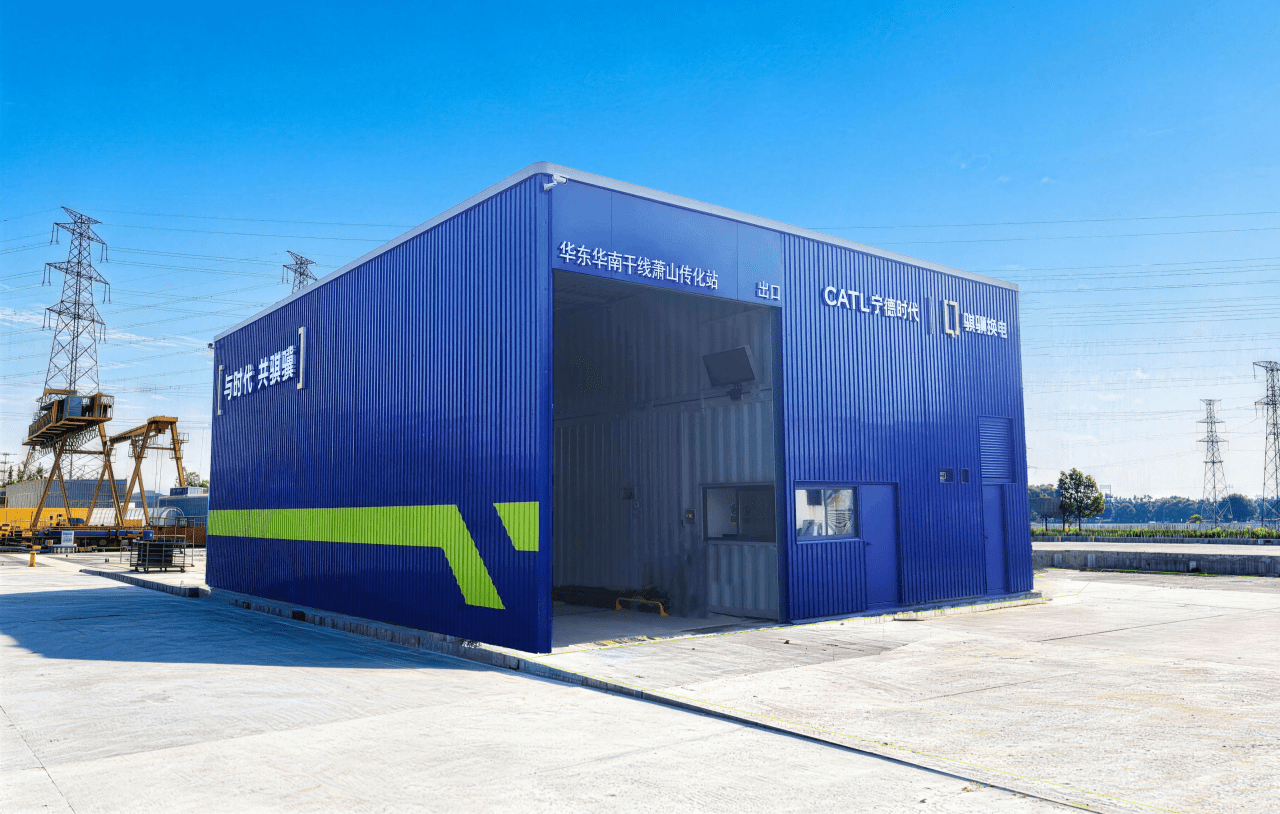
Qiji Battery Swapping is building infrastructure for heavy-duty trucks. It has initially formed a “two horizontal and two vertical” backbone covering multiple national expressway arteries such as G42 Shanghai-Chengdu, G60 Shanghai-Kunming, G2 Beijing-Shanghai and G4 Beijing-Hong Kong-Macau. The network covers a total of 78,000 km and 26 provinces across the country, to support the electrification of core logistics routes.
Qiji Battery Swapping has jointly launched more than 30 standardized battery swapping models with more than 10 vehicle manufacturers such as FAW Jiefang and Shaanxi Heavy Duty Truck. It has also cooperated with companies such as JD Logistics, Transfar Logistics and DHL to promote the battery swapping model in various logistics scenarios.
The network has established strategic cooperations with more than 30 expressway and transportation investment companies across the country to build new infrastructure for heavy-duty truck battery swapping networks.
By the end of 2026, the Chocolate Battery Swapping program plans to have built more than 3,000 swapping stations in over 140 cities and to launch highway network construction targeting a long-term goal of 30,000 stations, for which it will open a franchise program.
The Qiji Battery Swapping program plans to have built 900 stations by the end of 2026, expanding its trunk lines to “five horizontal and five vertical.” That will be expanded to an “eight horizontal and ten vertical” network covering 80% of the country’s trunk line capacity by 2030.
Source: CATL