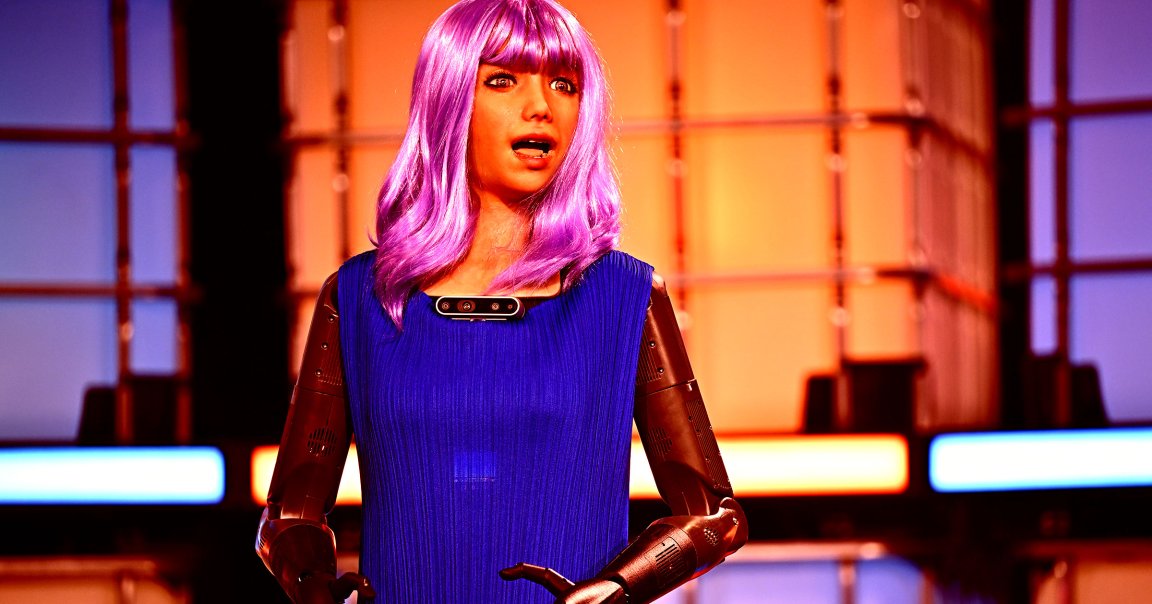
Tech leaders are predicting an imminent revolution in the field of robotics, promising a future in which humanoid robots can leverage the power of artificial intelligence to help us out in our day-to-day lives, from folding the laundry to taking care of the elderly.
AI chipmaker Nvidia CEO Jensen Huang even went as far as to prophesize, in January of last year, that the “ChatGPT moment for general robotics is just around the corner” in January of last year.
The desire for a robot-dominated future is certainly there, from Tesla CEO Elon Musk arguing its Optimus robot could turn his ailing car business into the most valuable company in the world, with demand for humanoid robots quickly becoming “insatiable.”
This year’s CES convention in Las Vegas was expectedly chock-full of companies showing off a variety of robots, from bipedal assistants designed to fold towels to battlebots that beat each other up in the ring.
There’s an immense amount of hype surrounding what the tech industry is hoping to be the next hottest thing: AI brought to life through the help of servo motors, actuators, and adorable animated eyes.
But how much longer we’ll have to wait until a utopian future full of actually useful humanoid robots materializes remains a major point of contention. Beyond performing preprogrammed, flashy martial arts and dance moves — parlor tricks that are already growing a little long in the tooth — we can’t shake the feeling that robots as they exist today just kind of suck.
As Gizmodo points out, the state of bipedal robots at this year’s CES left plenty to be desired, as live demos kept being interrupted by hard-to-ignore technical issues.
One robot, designed to do laundry, struggled to fold a stack of towels. Another robot, which was meant to be able to complete a number of tasks in the kitchen, was limited to spinning “back and forth like a confused toddler stuck in a playpen it had never seen before,” as Giz‘s Kyle Barr described it.
The chaotic nature of the event highlights major pain points plaguing the current crop of humanoid robot makers. As the Wall Street Journal reported last month, even insiders are worried that making the transition from building humanoid robots to actually making them do useful things may take a lot longer than promised.
In other words, the gap between what’s being promised and what robots are capable of today is growing quickly, a conundrum that should sound eerily familiar to anybody following the AI industry.
“We’re doing a big extrapolation from watching videos of robots doing laundry to a butler in my house that can do everything,” McKinsey partner Ani Kelkar told the WSJ.
Bay Area-based startup 1X made a big splash last year with its $20,000 NEO robot servant — except that instead of relying on fleshed-out, AI-powered autonomy, it will be teleoperated by a human staffer when it starts being delivered to early adopters later this year.
Another major issue is safety, particularly when it comes to robots being deployed in industrial settings. That’s especially true for any robots making use of AI, as hallucinations and other glitches with the tech continue to be major issues. Kelkar told the WSJ that protecting humans from injury could add considerable costs and complexity.
As Financial Times columnist Sarah O’Connor points out, limitations in battery tech could severely rein in the capabilities of humanoid robots as well, requiring them to either spend tons of time on the charger or resort to constantly hot-swapping batteries.
In short, while Huang proudly announced ahead of this year’s CES that “ChatGPT moment for robotics is here,” reality still has a lot of catching up to do — especially considering the messiness and unpredictability of the physical world.
More on robots: If the War Against the Machines Is Fought Via Martial Arts, Humans Are Gonna Catch an Epic Beat Down