Standing here in Carmarthen’s Guildhall Square, I can barely see the ramp that has been erected for the inbound procession, because of the horde of people surrounding me. It’s snowing, but a wintry shower isn’t going to subdue this vibrant crowd.
Parked a metre away from me is a long line of historic rally cars stretching uphill and out of sight. As their engines fire into life, most notably that of a rip-snorting Lancia Stratos, the palpable buzz of the milieu builds.
This, then, isn’t a typical Wednesday evening in the town centre: this is the ceremonial start of the Roger Albert Clark Rally.
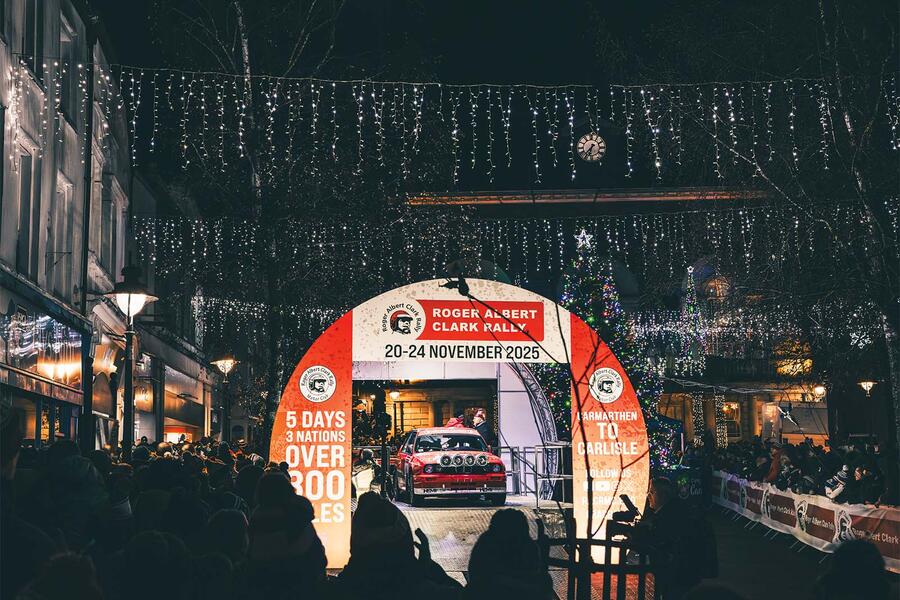
Named in honour of the British rally great, the gruelling five-day event recaptures the spirit of the RAC Rallies of the 1970s and ’80s, compelling competitors to tackle classic stages across England, Wales and Scotland.
I’m here on service crew duty for my godfather, Charlie, going behind the scenes to find out what really happens on a historic rally. He drives past me in his hopped-up 1984 Peugeot 205 GTi and over the ramp.
On the other side, 35 stages and 313 competitive miles await.
Part of the crew
Our team is formed of Charlie, co-driver Steve and service crew mates Andy, Stuart, my dad and me. It’s our job to take all the pressure of maintenance away from the men in the car, who have racing lines and pace notes to worry about. Mending things is only half the job, though: we’re also morale boosters, coffee makers and chefs.
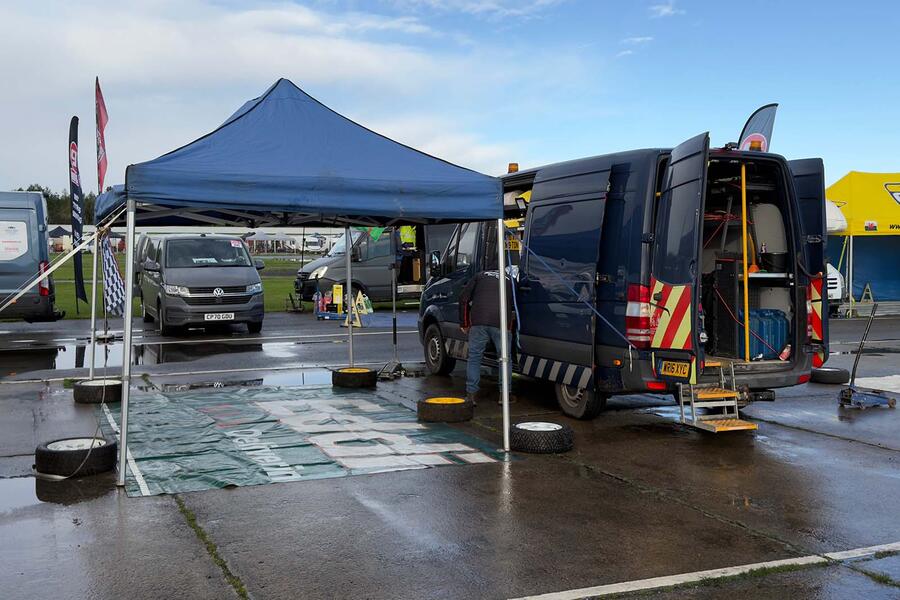
The service crew is split into two teams: one drives the chase car, which follows the rally car from stage to stage, while the other mans the service van and drives it to each service area.