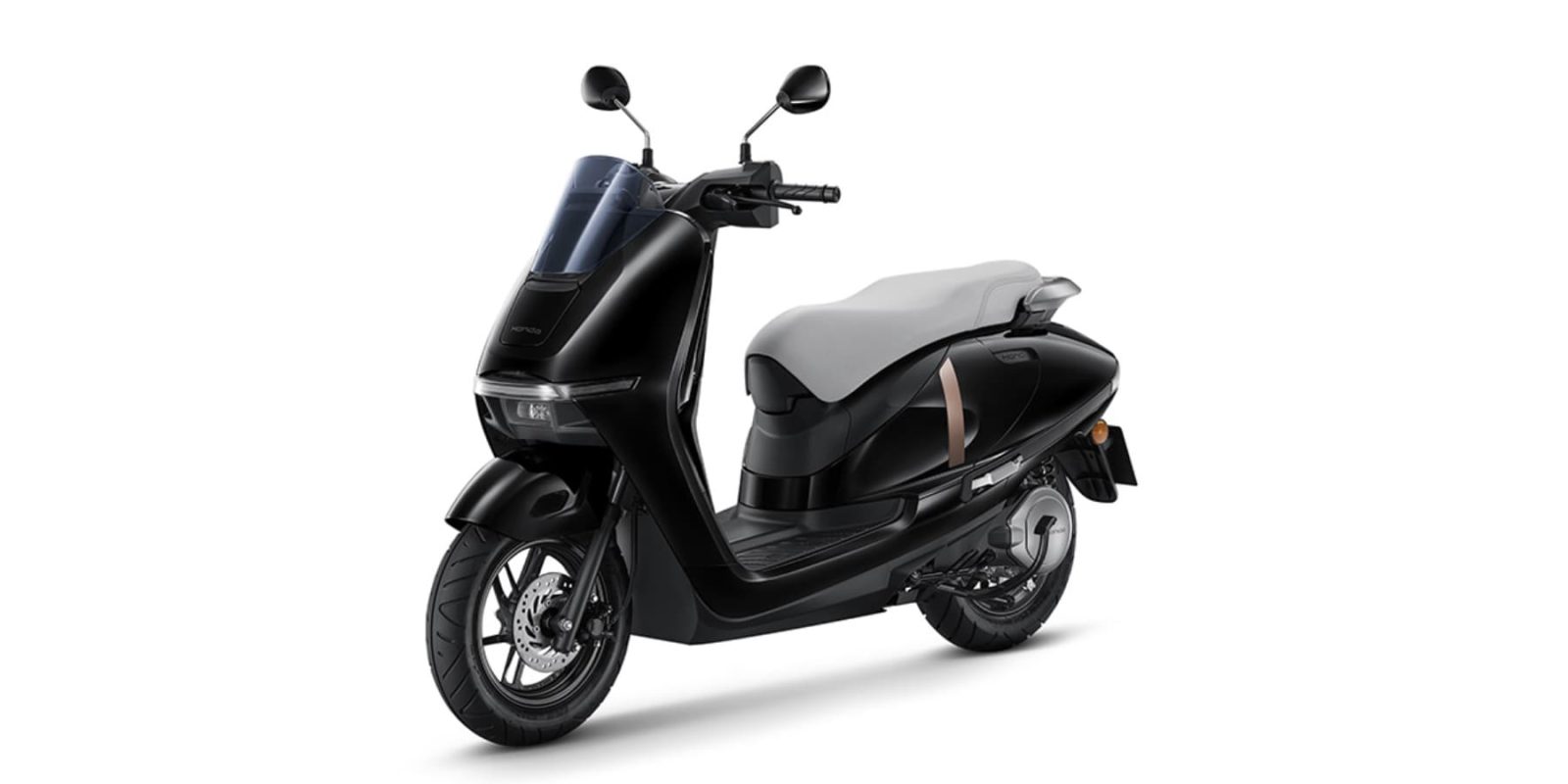
Honda has been releasing new electric two-wheelers at an impressive clip over the last few years, making up for lost time. The company’s latest model, known as the Honda UC3, is soon headed for the Vietnam and Thailand markets.
But perhaps more interesting than the bike itself is Honda’s decision to use integrated batteries rather than its own in-house removable-battery standard.
Rolling out of Honda’s motorcycle division, the UC3 falls under the definition of an electric motorcycle, even if most in the West would lump it into the scooter category (which is itself a segment of motorcycles, if we want to get pedantic).
But no matter how you describe it, it’s clear that Honda has leveraged much of the expertise it has developed during the R&D of other electric motorcycles in its lineup to produce the UC3.

The company announced this month that it will begin sales of the new Honda UC3 in Thailand and Vietnam starting this spring. The UC3 is positioned as the electric equivalent of a 110cc gasoline scooter, a category that dominates daily transportation across much of Asia.
That matters because Vietnam is moving toward a ban on gasoline-powered motorcycles in major urban areas, a policy shift aimed at tackling air pollution and congestion in cities like Hanoi and Ho Chi Minh City. With tens of millions of gas scooters currently on the road, electrification is quickly becoming a necessity. Honda’s UC3 launch looks like a direct response to that reality.
The UC3 is powered by Honda’s first fixed-type lithium iron phosphate (LFP) battery, paired with an in-house developed wheel-side motor producing up to 6 kW. Honda claims a top speed of 80 km/h (50 mph) and a range of up to 122 km (76 miles) per charge under WMTC testing from its 3.2 kWh integrated battery, along with three riding modes and even a reverse function for easier parking.
What’s particularly notable here is Honda’s decision to go with a fixed battery at all. Honda has long been one of the biggest proponents of swappable batteries for light electric motorcycles and scooters, pushing its Honda Mobile Power Pack e: system and building battery swap stations across parts of Asia. In fact, Honda says it will continue expanding those swap stations in parallel with the UC3 rollout.
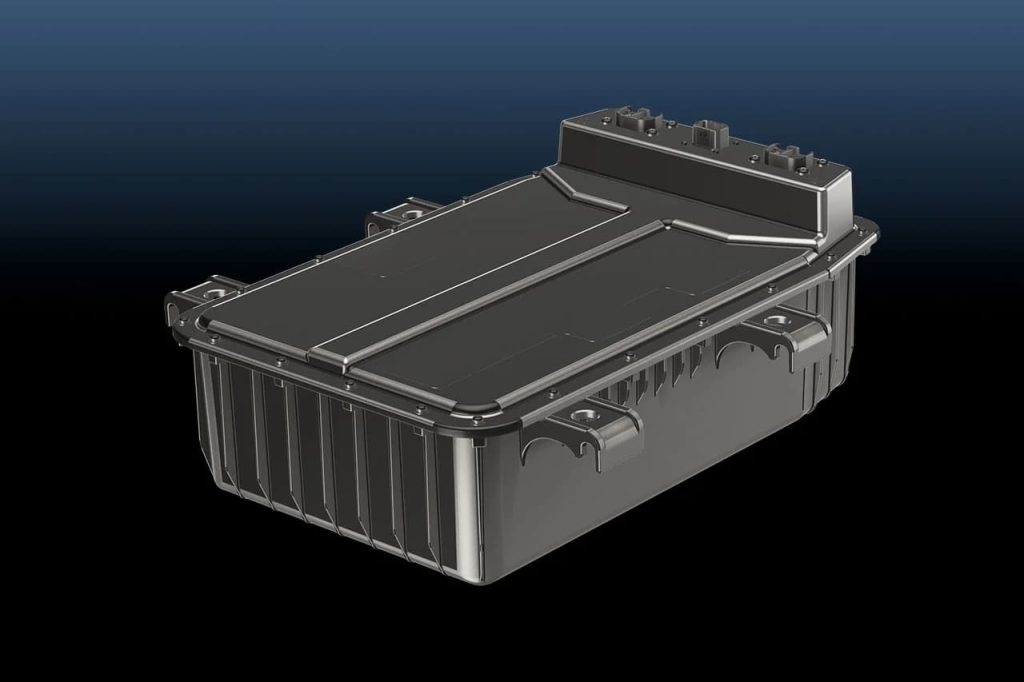
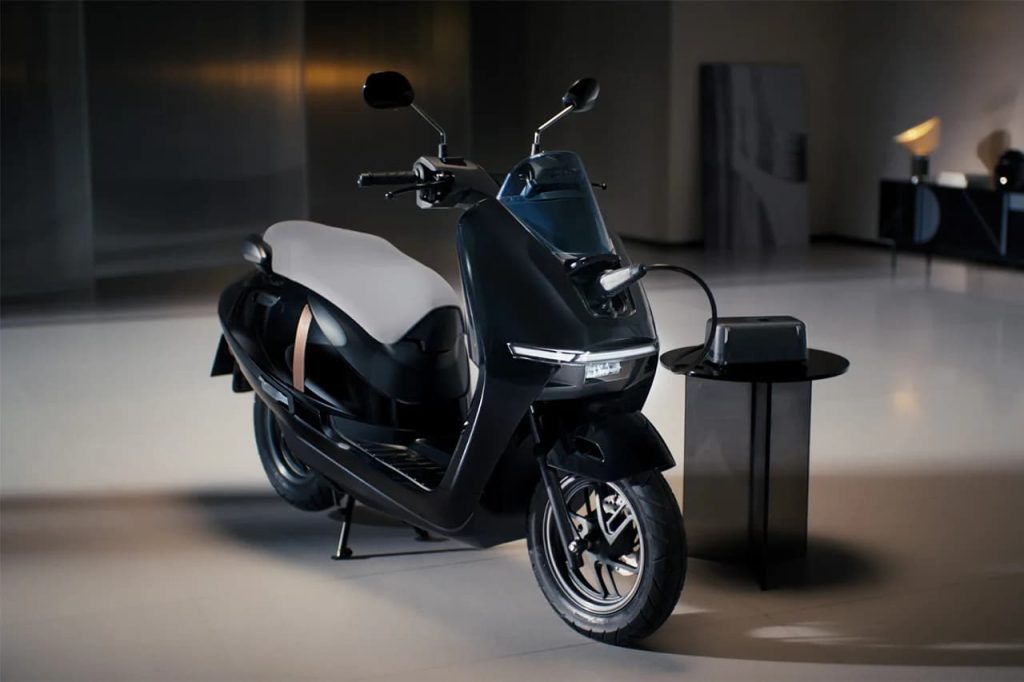
That dual-track strategy suggests Honda is hedging its bets. Fixed batteries simplify the bike, lower infrastructure complexity, and align better with private ownership – especially as home and workplace charging expands. Swappable batteries, meanwhile, still make sense for fleets, delivery riders, and dense urban cores where riders may need to charge in an upstairs apartment while leaving their motorcycle parked on the street.
Honda is also backing the UC3 with charging infrastructure, installing CHAdeMO-based two-wheeler chargers at dealerships and shopping centers in Thailand and Vietnam, with Vietnam installations targeted to begin operating in mid-2026.


FTC: We use income earning auto affiliate links. More.