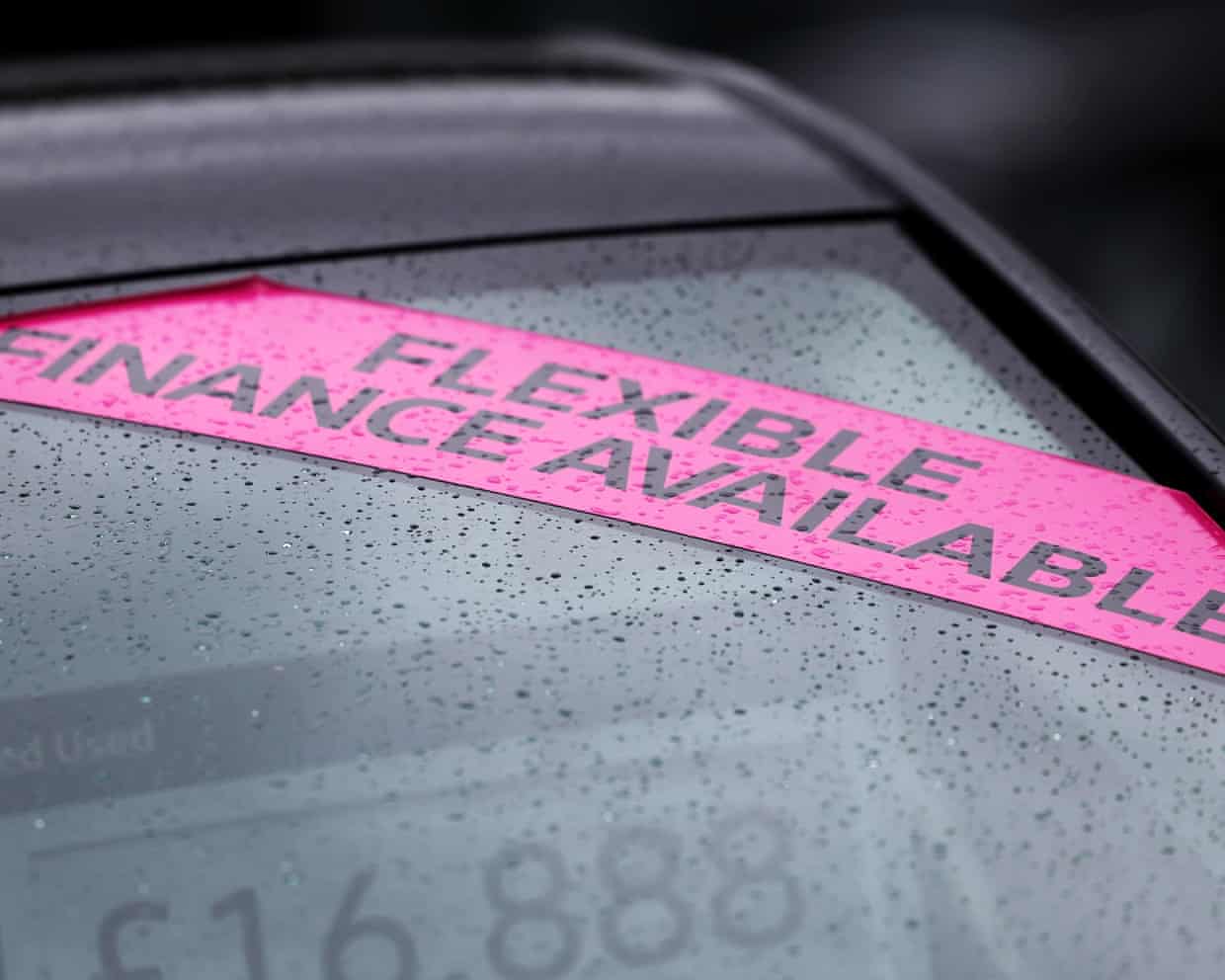
City minister accused of ignoring £2bn car finance tax loophole
Critics say banks will be able to avoid tax on compensation payouts to victims of £11bn loans scandal
The City minister, Lucy Rigby, has been accused of snubbing taxpayers after she appeared to brush off concerns about a £2bn tax loophole benefiting big banks caught up in the car loans scandal.
Rigby was urged to intervene by a member of the parliamentary Treasury committee after it emerged that lenders including Barclays, Lloyds and Santander could sidestep rules designed to ensure banks pay tax on compensation linked to corporate misconduct.
Rules introduced in 2015 prevent banks from deducting compensation payouts from their profits before calculating corporation tax, meaning they cannot reduce their tax bill, regardless of the financial impact of their own wrongdoing.

However, the Guardian revealed last month that banks will be able to exploit a loophole when they start paying compensation to victims of the £11bn car finance scandal this year. Their motor finance divisions are registered as “non-bank entities”, even though they are part of the larger banking groups, placing them outside the scope of rules. Specialist lenders involved in the scandal, including the finance arms of car manufacturers such as Honda and Ford, are also exempt.
The Office for Budget Responsibility has confirmed that this would cost taxpayers £2bn over the next two years, prompting Bobby Dean, a Liberal Democrat member of the Treasury committee, to write to ministers calling for urgent intervention.
But Rigby’s response, dated 29 December and seen by the Guardian, confirmed that lenders caught up in the car loans scandal would fall outside the 2015 rules. “The bank compensation restriction does not apply to companies that are not banking companies, even if they are within banking groups,” she said.
She closed the letter by thanking Dean for “making me aware of these concerns”, adding that she and the chancellor, Rachel Reeves, wanted to see the redress issue “resolved in a way that is efficient, orderly and provides certainty for both firms and consumers”.
“This is a complete non-answer from the government,” Dean told the Guardian. “Once again, they have chosen to side with the industry over consumers and taxpayers, just as they have done throughout the motor finance scandal.
“We hear from ministers over and over again about tough economic choices, but when big banks avoid £2bn in tax through a loophole, they refuse to take action.”
The Financial Conduct Authority closed its consultation on a proposed car loan compensation scheme in mid-December. Its £11bn plan has drawn criticism from consumer advocacy groups and lenders, and the regulator is expected to outline its next steps in February or March.
A Treasury spokesperson said: “It is vital that consumers have access to motor finance to enable them to spread the cost of a vehicle in a way that is manageable and affordable. We want to see this issue resolved in an efficient and orderly way that provides certainty for consumers and firms.”