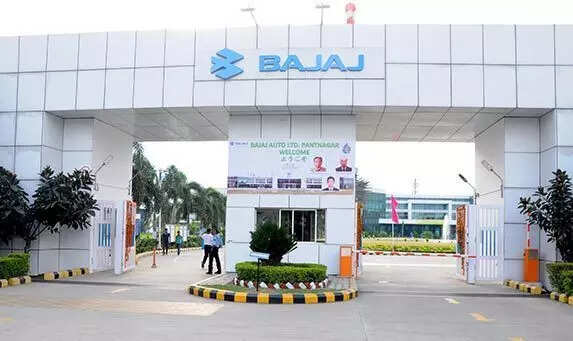
Bajaj Auto on Friday reported a net profit of ₹2,750 crore in Q3 FY26, compared with ₹2,196 crore in the year-ago quarter, marking a year-on-year increase of about 25 per cent.
Total revenue from operations on a consolidated basis rose to ₹16,204 crore in Q3FY26, up from ₹13,169 crore in Q3FY25, translating into a growth of nearly 23 per cent year-on-year. The increase reflects higher volumes, improved realisations and sustained momentum across domestic and export markets.
The company recorded double-digit growth across domestic motorcycles, electric two-wheelers, three-wheelers and exports, aided by festive demand and GST-related momentum, alongside a recovery in overseas markets.
Domestic business posted its highest quarterly revenue across all segments. Electric two-wheelers contributed 25 per cent of domestic revenue and exceeded last full year’s revenue midway through the quarter.
Exports and segment updates
Exports crossed 500,000 units in quarterly volumes after 15 quarters, driven by strong growth in Africa and Asia, while Latin America maintained its performance trend. Commercial vehicles recorded 80,000 units during the quarter.
The motorcycle business reported its largest quarter in the 125cc-plus segment with double-digit revenue growth, supported by demand in the sports segment. Bajaj Auto said the Pulsar lineup benefited from upgrades and marketing initiatives, leading to record-high retail volumes.
KTM and Triumph together posted a 50 per cent year-on-year rise in domestic volumes and revenue. KTM recorded strong demand for its Duke and Adventure models, while Triumph achieved higher sales of the Speed and Scrambler following pricing changes to offset the GST increase on motorcycles above 350cc.
Commercial vehicles recorded their highest-ever retail levels, surpassing 100,000 units for the tenth straight quarter.
The Chetak electric scooter grew 70 per cent quarter-on-quarter, following earlier supply constraints, and registered its highest sales so far.
Bajaj Auto closed the quarter with surplus funds of ₹15,000 crore, after distributing ₹5,864 crore in dividends and infusing ₹2,300 crore into subsidiaries.