The Indian auto industry closed the second week of December navigating a mix of geopolitical disruption, strategic realignment and technology transition. A sudden tariff hike by Mexico threatened to disrupt nearly $1 billion worth of Indian vehicle exports, underscoring how trade policy risks are resurfacing as a major variable for automakers. At the same time, manufacturers recalibrated their long-term bets on hybrids, electric vehicles and workforce costs.
Hybrids returned firmly to the centre of India’s powertrain debate, with Kia confirming that a Seltos Hybrid is on its roadmap, though its launch hinges on aggressive localisation to protect affordability. Luxury and performance brands, meanwhile, used India as a platform to articulate broader strategic thinking. Ferrari CEO Benedetto Vigna outlined how the iconic brand plans to add electric cars without abandoning ICE or hybrids, framing electrification as an emotional, customer-led evolution rather than a regulatory compulsion.
Cost pressures also moved into sharper focus. Volkswagen Group initiated a voluntary early retirement programme across its Indian manufacturing operations, signalling a deeper restructuring effort in a market where scale has remained elusive despite long-standing presence. Meanwhile, post-festive demand moderation, cooling EV adoption in price-sensitive segments, and renewed investor focus on fewer but larger EV bets highlighted how the industry is entering a more measured phase of growth.
Here’s the detailed round-up of all major developments from this week:
Mexico’s Tariff Increase to Affect $1 Billion in Indian Car Exports
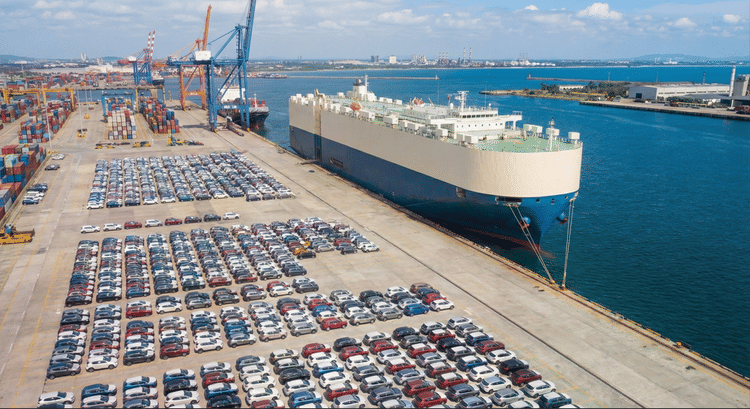
Mexico’s tariff increase will affect $1 billion worth of shipments from major Indian car exporters, including Volkswagen and Hyundai, despite industry lobbying efforts to prevent the move, according to two sources and an industry letter reviewed by Reuters.
Mexican President Claudia Sheinbaum’s government approved Wednesday raising import tariffs next year on hundreds of items from countries without trade agreements, including China and India. The import duty on cars will rise to 50% from 20%.
Kia Confirms Seltos Hybrid for India; Rollout Tied to Aggressive Localisation Push
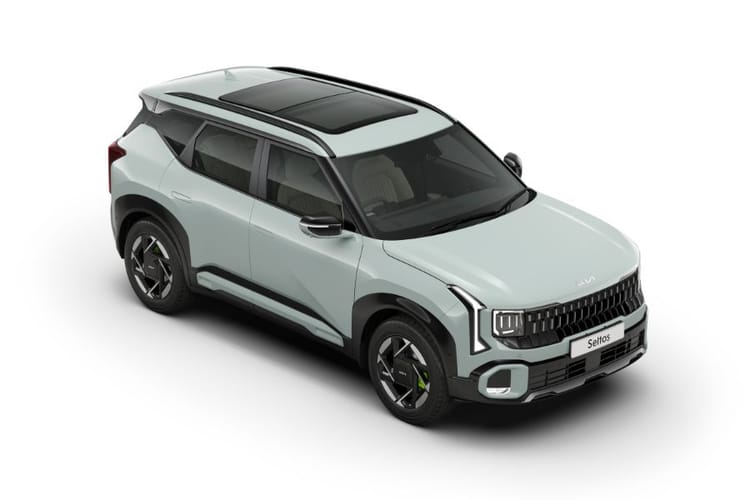
Kia India has formally confirmed that a hybrid version of the new Seltos is part of its future powertrain roadmap. Still, the model will only enter the market once the company achieves meaningful localisation of hybrid components, ensuring the technology is priced competitively for Indian buyers.
“There is a clear direction that we will introduce a hybrid in the Seltos. Timing is not decided yet because we are trying to localise the hybrid components in India,” said Atul Sood, Senior Vice President – Sales & Marketing, Kia India. Autocar Professional learns that the hybrid version should make its way into the market within the next 12-18 months.
Kia Sets Sights on Top-3 Slot in Mid-Size SUV Segment With New Seltos
Kia Targets Double-Digit Growth in 2025 and 2026, With New Seltos at the Core of Its Strategy
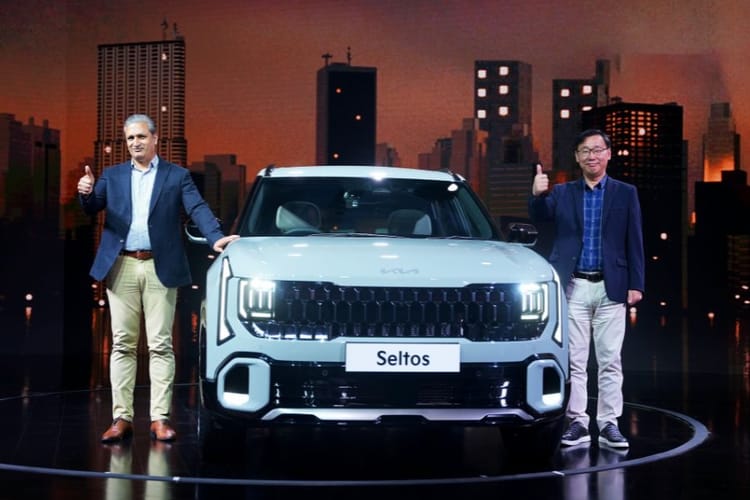
Kia India expects to close CY2025 with double-digit growth, and it is preparing for another year of robust expansion in 2026, led primarily by the all-new Seltos, its most strategically important model for volume recovery and portfolio strengthening.
“This year, we will be closing at more than 10 percent growth. We aim to continue this double-digit growth in 2026 as well,” said Atul Sood, Senior Vice President – Sales and Marketing, Kia India.
Kia Banks on New Seltos to Reclaim Ground as Mid-SUV Battle Intensifies
Ferrari Sees Long-Term Opportunity in India Despite Small Supercar Base: CEO Vigna
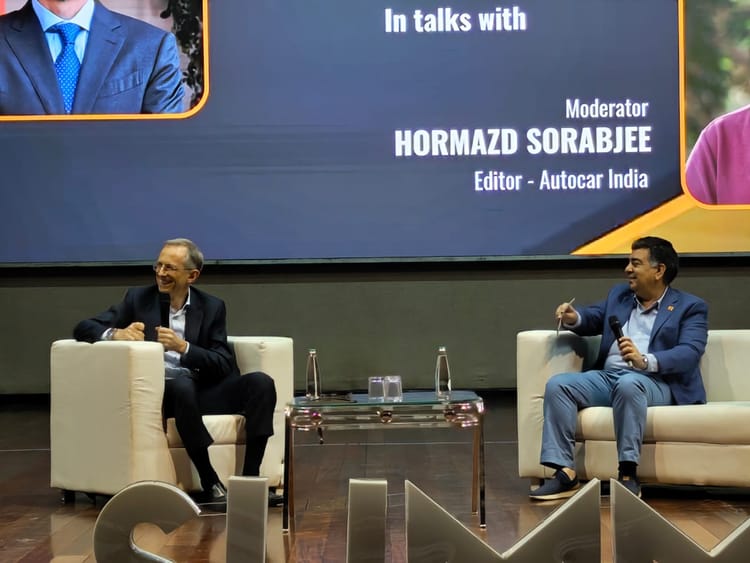
Italian luxury sports car manufacturer Ferrari’s identity is built on a balance that few companies manage to maintain between tradition and technological innovation, according to CEO Benedetto Vigna. That equilibrium is not just a philosophy but the way Ferrari operates, he said.
Speaking at IIT Bombay’s E-Summit 2025, Vigna said Ferrari survives only by “audaciously redefining the limit of possible,” a process that demands equal respect for its heritage and boldness for its future. The challenge, he noted, is to protect legacy without becoming trapped by it, even as electrification and shifting customer expectations reshape the industry.
Ferrari’s EV Play Will Complement, Not Replace ICE Vehicles: CEO Vigna
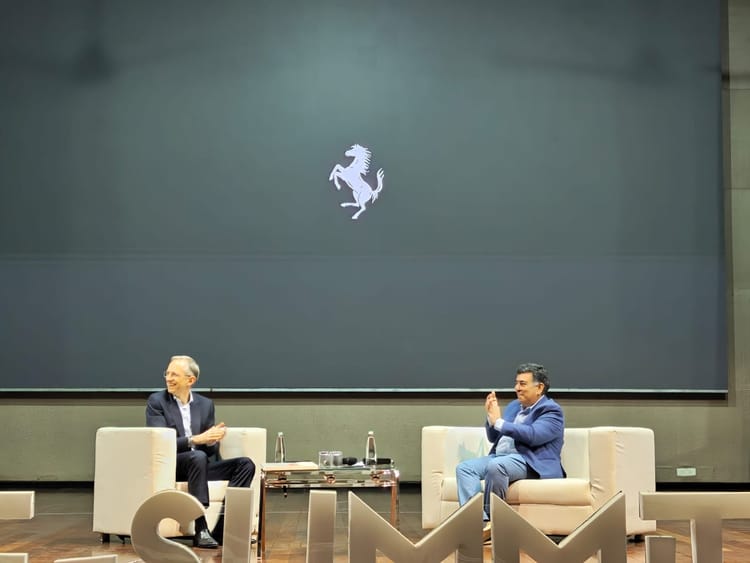
Ferrari will add electric cars to its portfolio without abandoning combustion engines or hybrids, as it seeks to protect driving emotion and customer choice amid tightening global regulations, chief executive officer Benedetto Vigna said at IIT Bombay’s E-Summit 2025.
The Italian luxury sports carmaker, best known for its V12 engines and racing heritage, plans to run multiple powertrain strategies in parallel rather than pursue an all-electric transition. Vigna said Ferrari’s approach to electrification is rooted in emotion, not regulation-driven timelines.
Ferrari CEO to IIT Bombay Students: “Redefine the Limits of What’s Possible”
Volkswagen Introduces Voluntary Early Retirement for Indian Factory Workers
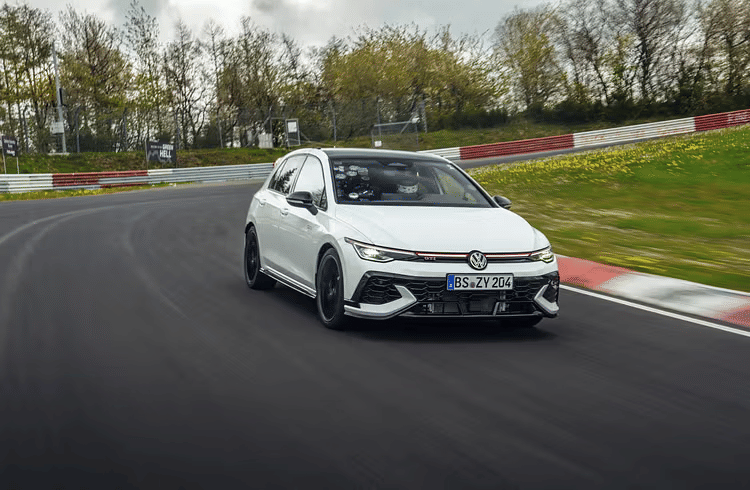
Volkswagen Group is offering early retirement packages to all 2,300 workers at its two manufacturing facilities in India as part of a broader operational restructuring in the world’s third-largest automotive market, according to news reports.
The German automaker, which operates Volkswagen, Skoda, Audi, Porsche, Lamborghini and Bentley brands in India, currently holds just 2% market share despite maintaining a presence in the country for over two decades.
Dolby Eyes Broader OEM Partnerships as Indian Auto Audio Market Takes Off
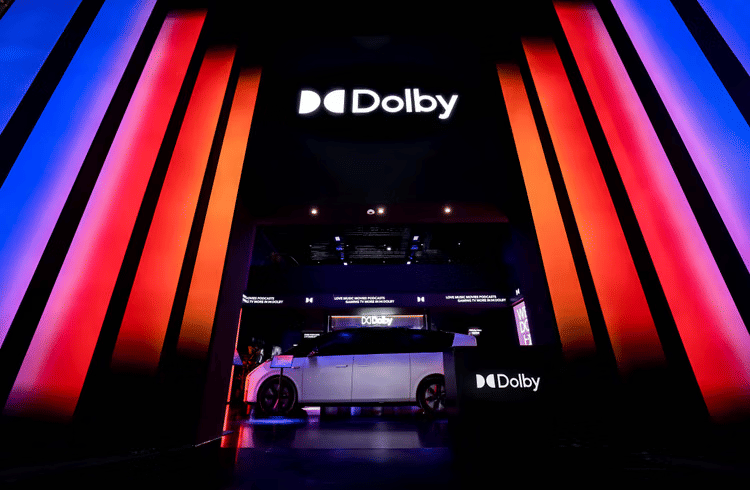
The numbers tell a story that hardware specs cannot: India’s automotive audio market will more than double to $712 million within a decade, as per estimates, and Dolby Laboratories intends to capture the lion’s share before global rivals grasp the opportunity. With major players including Tata Motors, Mahindra & Mahindra, and Maruti Suzuki already signed, it is now seeking to extend its tie-ups with other OEMs, both local and global, that produce cars in India.
What has been helping Dolby hasten these efforts, as per Javier Foncillas, VP, Commercial Partnerships, Dolby Laboratories, is the company’s brand recognition in India, initially cultivated over decades through its presence in cinemas and more recently bolstered by partnerships involving live sports such as cricket, which holds a near-religious status in the country.
Festive Hangover: Sales of Cars and SUVs Moderate Sharply in November After Festive High
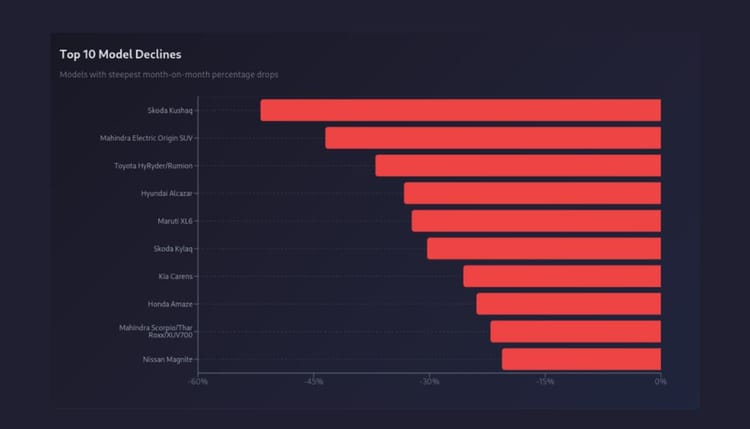
The Indian passenger vehicle market witnessed a sharp 11.2% month-on-month decline in November 2025, with domestic sales falling from 3,99,605 units in October to 3,54,969 units. While some correction was anticipated following the festive season peak, the magnitude of decline varied dramatically across segments, revealing interesting patterns about consumer behaviour, pricing dynamics, and the lingering effects of the GST reduction announced in September.
India’s Auto Retail Shows Resilience in November Despite Post-Festive Slowdown
November EV Sales: Two-Wheelers Slow, Passenger and Commercial EVs in High Gear

India’s electric vehicle market delivered a mixed performance in November 2025, with retail trends showing clear divergence across segments as per data released by the Federation of Automobile Dealers Associations (FADA). While electric passenger vehicles, three-wheelers, and commercial vehicles continued to expand at a strong pace, the two-wheeler category lost momentum, reflecting the deepening impact of GST 2.0 on buyer behaviour. Lower prices for entry-level ICE vehicles after the tax overhaul have tilted short-term demand away from EVs, cooling what had been a period of fast electric adoption earlier in the year.
India Aims to Become Global Construction Equipment Hub as Exports Surge
India EV Sector Funding at $1.4 Billion in 2025, up 27% YoY
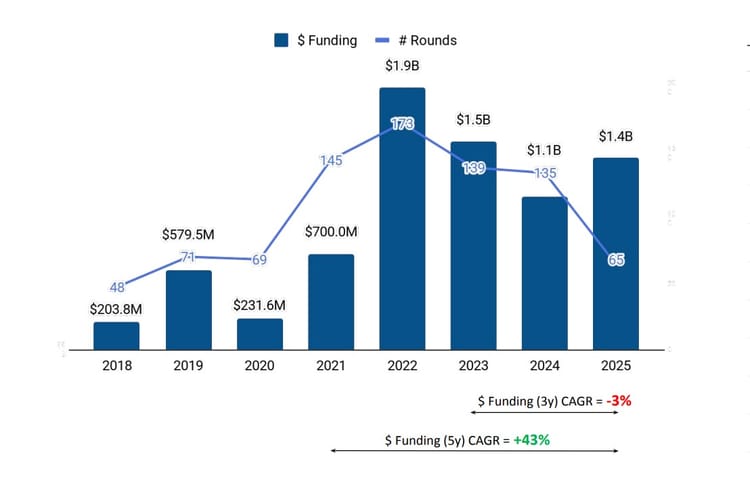
India’s electric vehicle sector got US$1.4 billion (around Rs 12,180 crore) this year till mid-November, marking a 27% increase over the $1.1 billion (around Rs 9,570 crore) raised in 2024, according to data from private market intelligence platform Tracxn. The jump in funding comes despite fewer deals, as investors focused on a smaller set of mature, scale-ready startups.
According to Tracxn’s EV in India Annual Funding Report 2025, funding rounds dropped to 65 year-to-date from 135 in 2024. But total investment still rose, showing investors are writing bigger cheques while backing fewer startups. Much of the funding went to electric vehicle manufacturers, which together drew $1.2 billion this year. Delhi dominated city-wise funding, accounting for $1.1 billion of the total, powered largely by one of the year’s largest EV deals.
KETO Motors to Establish Electric Bus Manufacturing Facility in Telangana
Vingroup Signs $3 Billion Investment Deal with Telangana
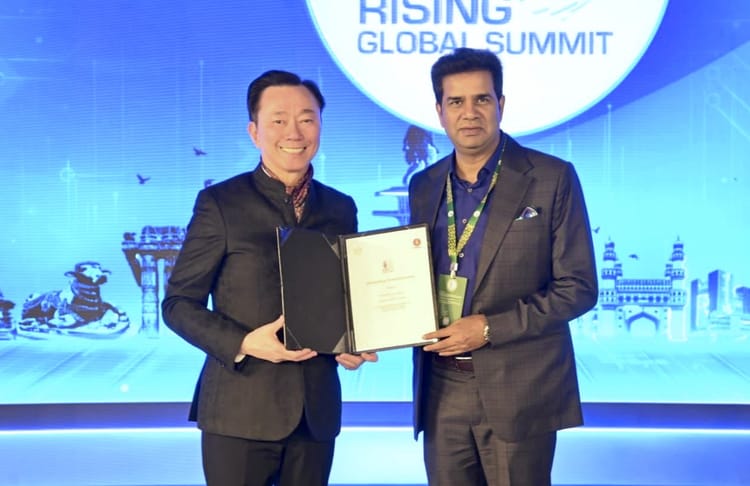
Vietnam’s largest private corporation Vingroup has signed a Memorandum of Understanding with the Telangana government for a proposed $3 billion investment to be rolled out in phases across multiple sectors in the state.
The agreement, announced at the Telangana Rising Global Summit, will see both parties explore collaboration opportunities in smart urban development, electric mobility, healthcare, education, tourism, renewable energy, and charging infrastructure across approximately 2,500 hectares.
MINI Launches All-New Convertible in India at Rs 58.50 Lakh
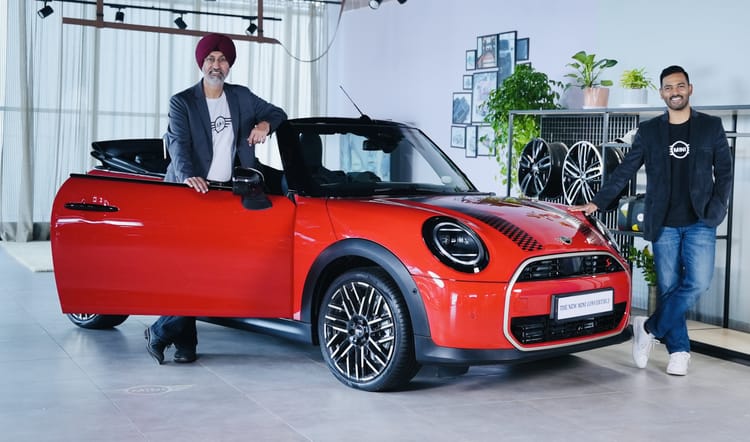
BMW Group India launched the all-new MINI Convertible in the Indian market today at an ex-showroom price of Rs 58.50 lakh, with the completely built-up unit (CBU) available for booking at all authorized MINI dealerships and deliveries commencing immediately.
The vehicle features a 1,998 cc petrol engine with MINI TwinPower Turbo technology that produces 150 kW/204 hp at 5,000-6,500 rpm and maximum torque of 300 Nm at 1,450-4,500 rpm. The car accelerates from 0-100 km/h in 6.9 seconds with a top speed of 240 km/h.
Mercedes-Benz India to Raise Prices by Up to 2% from January 2026
VIDA Launches DIRT.E K3 E-Motorcycle at Rs 69,990
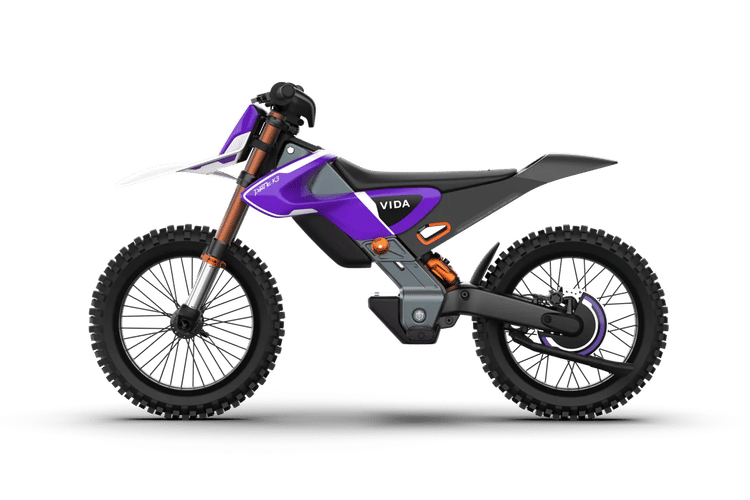
VIDA, Hero MotoCorp’s emerging mobility brand, launched the DIRT.E K3, an electric motorcycle designed for young riders aged 4-10 years, at an introductory price of Rs 69,990 for the first 300 units, with expressions of interest opening today on vidaworld.com and retail commencing from January 15, 2026.
The motorcycle features a three-stage adjustable system that transforms across small, medium, and large configurations using a single tool, addressing the issue of quickly outgrown youth motorcycles. The size-adaptive platform maintains consistent ergonomics across multiple years of growth.
Mahindra Unveils XUV 7XO Premium SUV, World Premiere Set for January 2026
Long Reads
JSW MG Motor India Goes All-In on New-Energy Push
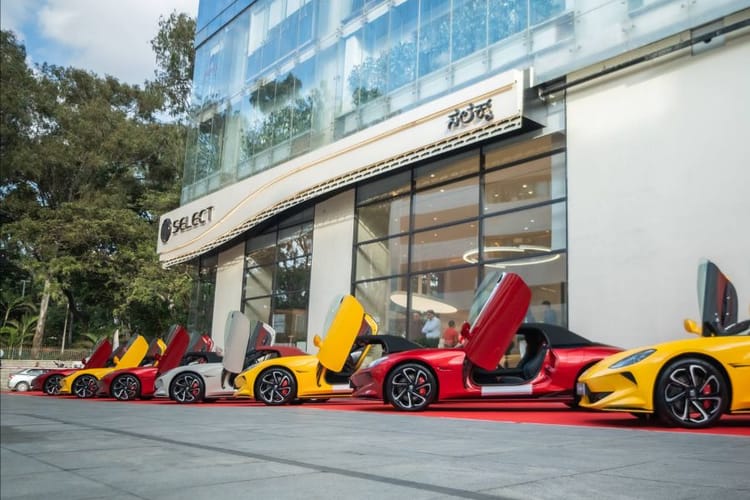
India’s passenger-vehicle market is among the most concentrated in the world. Maruti Suzuki, Hyundai, Tata Motors, Mahindra and Toyota account for nearly 90% of all sales. In this environment, smaller brands rarely find room to differentiate themselves. JSW MG Motor India’s answer is to avoid fighting the legacy battle altogether and instead align itself with one of the most significant shifts underway in the industry: the rise of electric and new-energy vehicles.
Inside Valeo’s €1-Billion India Bet
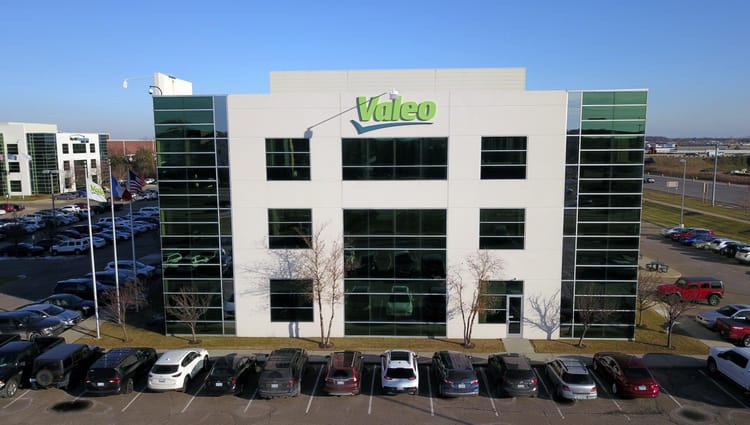
Walk into any showroom in an Indian metro today, and the shift is unmistakable. Buyers who once debated mileage now ask about ADAS. A decade ago, EVs were curiosities; today, they command waiting lists. Local suppliers that once assembled imported designs are now building complete electronics ecosystems. For a technology heavyweight like Valeo, this behavioural and industrial shift has changed India from a promising outpost into a strategic market with real weight.
Video Playlist
Why M&M’s XEV 9S Could Redefine India’s Rs 20 Lakhs+ EV Segment
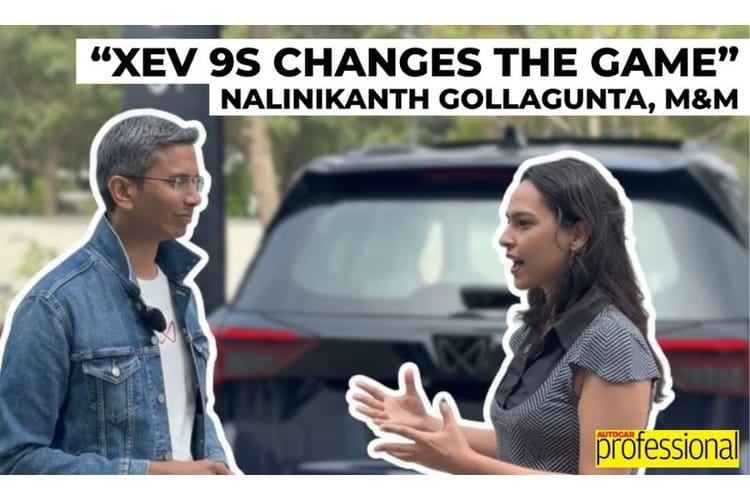
Mahindra is going all-in on the premium electric SUV space and the XEV 9S is at the centre of that strategy. In this exclusive conversation, we dive into Mahindra’s explosive EV momentum, with 30,000 units of the XUV 9E and BE6 already sold, a clear focus on the ₹20 lakh-plus EV segment, and plans to scale production to 8,000 units a month by April.
Ethanol Is the Most Suitable Clean-Energy Pathway for India: Toyota’s Vikram Gulati
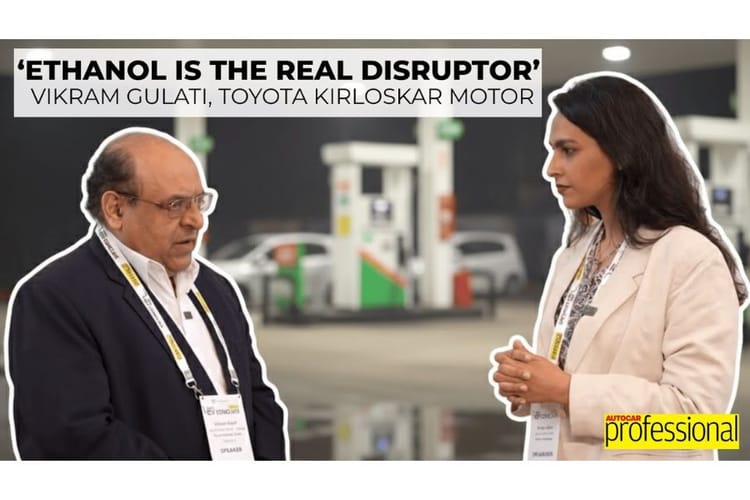
Are EVs the only path to a clean future for India? Vikram Gulati, Country Head, Toyota Kirloskar Motor, shares a grounded, real-world view on why India’s energy transition must go beyond just electric vehicles.
In this conversation at Autocar Professional’s India EV Conclave, Gulati explains how GST has simplified the auto tax structure and unexpectedly helped narrow the price gap between EVs and ICE vehicles. He makes a strong case for ethanol as India’s most practical clean-energy pathway, revealing that India could shift to E35–E40 almost overnight with flex-fuel–ready vehicles.
Supply Chain Bottlenecks Are the Biggest Barrier to 15% EV Penetration by 2030: BYD India
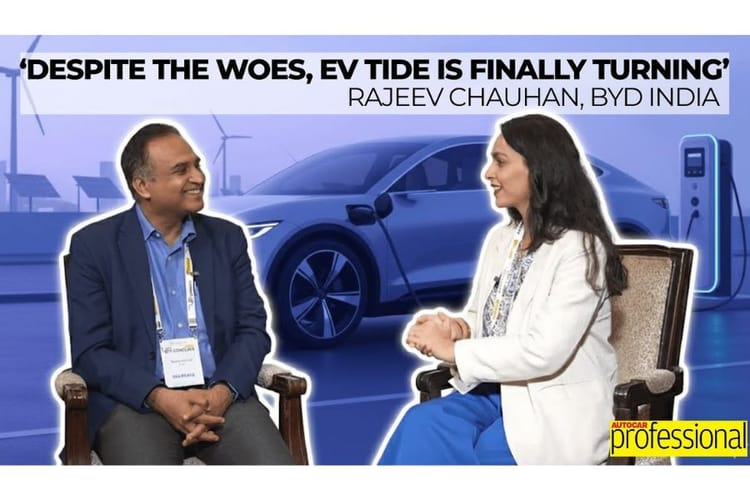
India’s electric vehicle market is entering a decisive phase and BYD India is right at the center of it. In this exclusive conversation, Rajeev Chauhan, Head – Electric Passenger Vehicle Business, BYD India, reveals how the company has reached the milestone of selling 1,000 EVs every month, why safety has become non-negotiable, and how charging infrastructure, battery technology and ADAS are reshaping consumer expectations.
Chauhan also breaks down the government’s GST signals on EVs, the supply-chain challenges that could limit 15% EV penetration, the importance of localisation and scale, and why India’s EV buyers are fundamentally different across segments.
Indofast to Build World’s Largest Battery-Swapping Network with ₹10,000 Cr Push
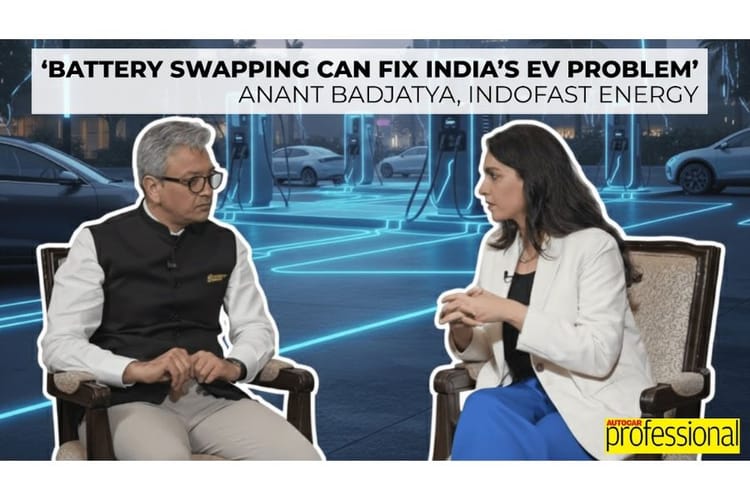
India’s EV revolution is moving fast but the charging infrastructure is struggling to keep up. In this candid conversation, Anant Badjatya, CEO of Indofast Energy, breaks down why India has just 1 public charger for every 150–190 EVs, why the country is under-investing in charging, and how battery swapping could become the biggest catalyst for EV adoption.
As one of Indian Oil’s largest EV investments, Indofast has already deployed 18,000 chargers in under two years, supports 44 different vehicle types, and is targeting 15,000 swapping stations across 42 cities. With a planned investment of ₹10,000 crore, the company aims to build the world’s largest battery-swapping network in India.
India Needs Nearly 2 Lakh Skilled Workforce for EV Repairs: ASDC
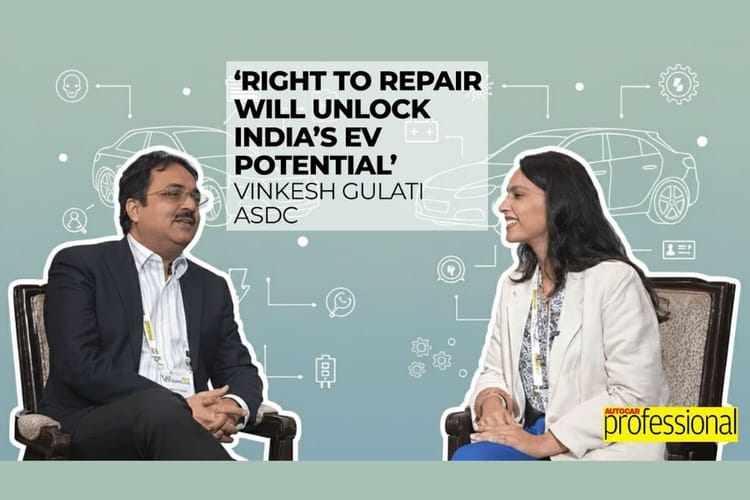
India’s EV transition is accelerating but the skills gap is widening even faster. In this insightful conversation, Vinkesh Gulati, Chairperson, Automotive Skills Development Council (ASDC), lays out the urgent need for 2 lakh trained EV repair technicians, the dangers of treating skilling as an afterthought, and why India must begin the transition with unlearning legacy ICE systems.
He explains why Right to Repair, already implemented globally, is essential for India’s EV ecosystem—and why its rollout in India is now closer than ever. Gulati also highlights how the EV shift is bringing more women into the auto workforce, ASDC’s push for 50% women in EV training, and the growing interest in mobility skills with over 1 lakh students registering for the Auto Olympiad.
Insights & Interpretation
Why Indian EVs Can Worry Less About Rare Earths
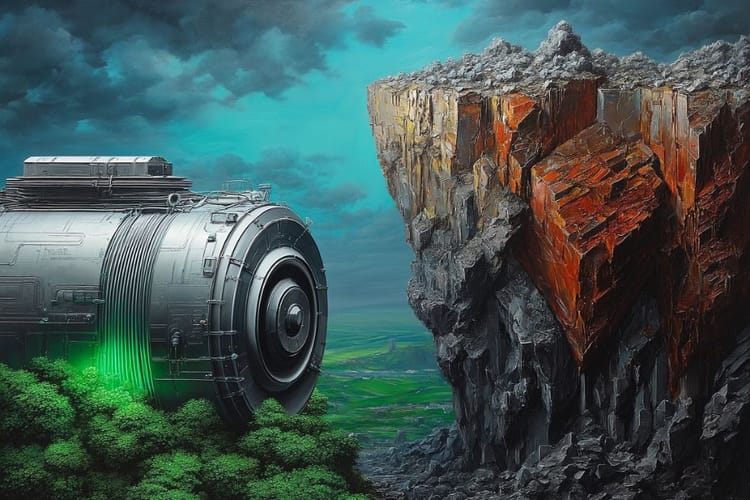
The global EV sector is at a critical stage, with ongoing supply chain disruptions and geopolitical tensions due to overdependence on China for critical minerals such as Neodymium (Nd), Praseodymium (Pr), Dysprosium (Dy), and Terbium (Tb). Rare-Earth magnets manufactured from these minerals are core for high-performance EV motors, which come with steep environmental, economic, and strategic costs.
In India, where domestic reserves are scarce for these minerals, the challenge is twofold – mining and extraction & making the magnets – which then poses greater difficulties in advancing the EV industry’s progress: accelerating cost-efficient EV adoption, and increasing volatile import channels. India’s leadership in this transition could position it as a critical hub in the next phase of motor technology, as global automakers are slowly moving toward Rare-Earth-Free motor solutions
The Missing Link Between Digitisation and Agility in Auto Manufacturing
Made in India: The Next Frontier of Tech Sovereignty
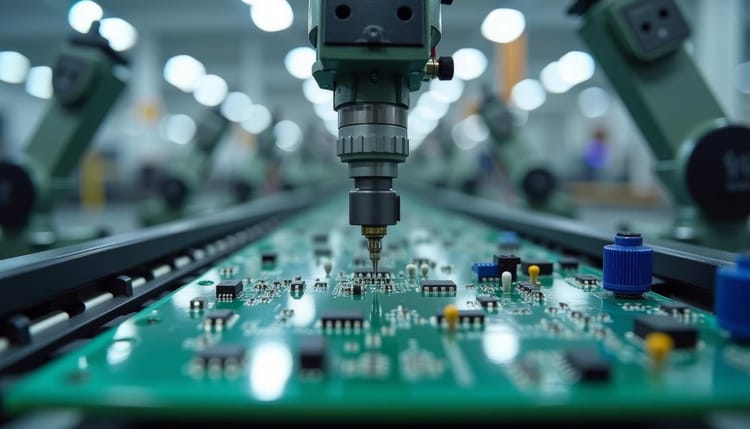
Semiconductors have moved from being an industry to becoming an instrument of strategy. The pandemic, supply chain shocks, and geopolitical flashpoints have shown how access to chips determines a nation’s economic rhythm. In a multipolar world, self-reliance is not isolation; it is the ability to build trusted, resilient ecosystems that can withstand uncertainty. For India, the semiconductor and electronics story is no longer distant, it has begun.
The global semiconductor market is projected to reach US $1 trillion by 2030, while India’s domestic electronics market could cross US $100 billion. This growth is driven by demand from mobile devices, automotive systems, renewable energy, healthcare, defence, and smart infrastructure. Whoever controls semiconductors controls innovation; whoever designs them defines the next decade of technology.
Why Clearer Vision Could Be the Next Big Leap in Road Safety