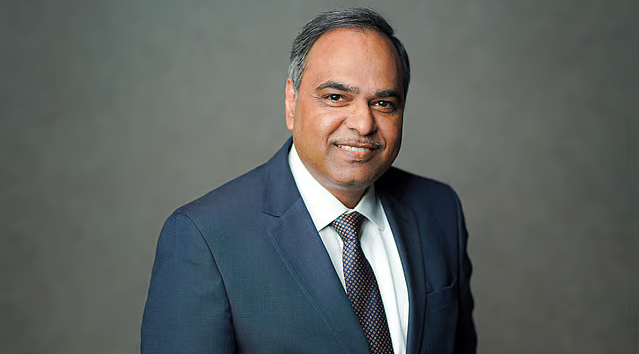
New Delhi: The automobile industry expects demand to grow across segments, including the entry-level, in 2026, riding on better rural incomes and the recent goods and services tax rationalisation that has eased affordability pressures. “The rollout of GST 2.0 reform in September 2025 has clearly lifted demand across passenger vehicles, commercial vehicles and two-wheelers, especially in the mass and entry segments, and the underlying drivers suggest this momentum can extend into 2026,” Shailesh Chandra, president of Society of Indian Automobile Manufacturers (SIAM), told ET.
The growth comes after weak sales in the first three quarters of 2025. Car sales remained largely flat, and two-wheeler volumes inched up by 0.9 per cent in the first nine months of the calendar, according to Siam data. Since then, car sales grew by 17.2 per cent year-on-year in October and by 18.7 per cent in November, while two-wheeler sales rose by 2.1 per cent and 21.2 per cent, respectively.
The government cut GST on automobiles to 18 per cent and 40 per cent from the earlier 29-50 per cent (28 per cent GST + compensation cess of 1-22 per cent) with effect from September 22, 2025. GST on two-wheelers up to 350cc, too, has come down to 18 per cent from 28 per cent. Chandra said automakers are passing on tax benefits through price corrections and targeted offers, lowering entry barriers for new and value-conscious buyers after a prolonged period of price inflation.
Renewed consumer confidence and improved accessibility are expanding the overall market, rather than triggering a shift between segments, with compact SUVs leading gains but demand improving across categories, he said. “Overall, the market is expanding rather than shifting in a zero-sum manner,” Chandra said. “Affordability improvements are widening the funnel and driving growth across price segments and body styles.”
Industry executives said early trends indicate entry-level buyers will remain central to the recovery, helping revive volumes and restore confidence after years of slow sales at the bottom of the pyramid.
According to Chandra, both rural and urban markets are showing positive response for passenger vehicle and two-wheeler segments. “The response is better for rural markets for passenger vehicles, while for two-wheelers, the growth is being witnessed both in rural and urban areas.”
Besides GST-driven affordability gains, income tax reforms, repo rate cut, healthy kharif output, strong rabi sowing and low inflation are supporting consumer sentiments, “leading to healthier enquiry and booking trends.”
Several carmakers have announced production ramp-ups to cater to stronger order books and pent-up demand from customers who deferred purchases ahead of the GST reduction.
“In two-wheelers, demand has already been robust which has also been aided by a good monsoon and rising rural economic activity, this segment should continue to post decent growth,” Chandra said.
Demand for commercial vehicles has also started rising in recent months, with growth becoming more broad-based across segments. Medium and heavy commercial vehicles (MHCVs) are benefiting from improving freight demand, supported by higher movement of goods across sectors, while light commercial vehicles (LCVs) are seeing better traction, driven by robust intra-city and last-mile logistic requirements, Chandra said.