Lilium, the developer of a new, electric, vertical take-off and landing vehicle for a novel flying taxi service, has poached some pretty big former executives from Airbus and Audi as it builds out its technology and gets ready to bring its service to market. Mirko Reuter, the former head of automated driving at Audi, has… Continue reading Electric flying taxi service Lilium poaches key hires from Audi, Airbus
Tag: Mobility
InMotion backs Transit – The all-in-one mobility platform
We are thrilled to announce our latest investment in Montreal-based journey planner app, Transit. This all-in-one mobility platform helps people navigate and make better transport decisions in more than 175 cities worldwide. The app has integrated a range of mobility options including Uber, bike share, car share, public transport and walking. Users can quickly compare… Continue reading InMotion backs Transit – The all-in-one mobility platform
BMW i also advances electromobility in local public transport.
Munich. BMW i is consistently moving into additional fields of application for locally emissions-free drive technology, now also promoting sustainability in public local transport. For the first time, the electric motors and high-voltage batteries developed for the BMW i3 will be used to power a city bus made by the well-known Turkish manufacturer Karsan which… Continue reading BMW i also advances electromobility in local public transport.
Continental Confirms Earnings Forecast for Current Fiscal Year
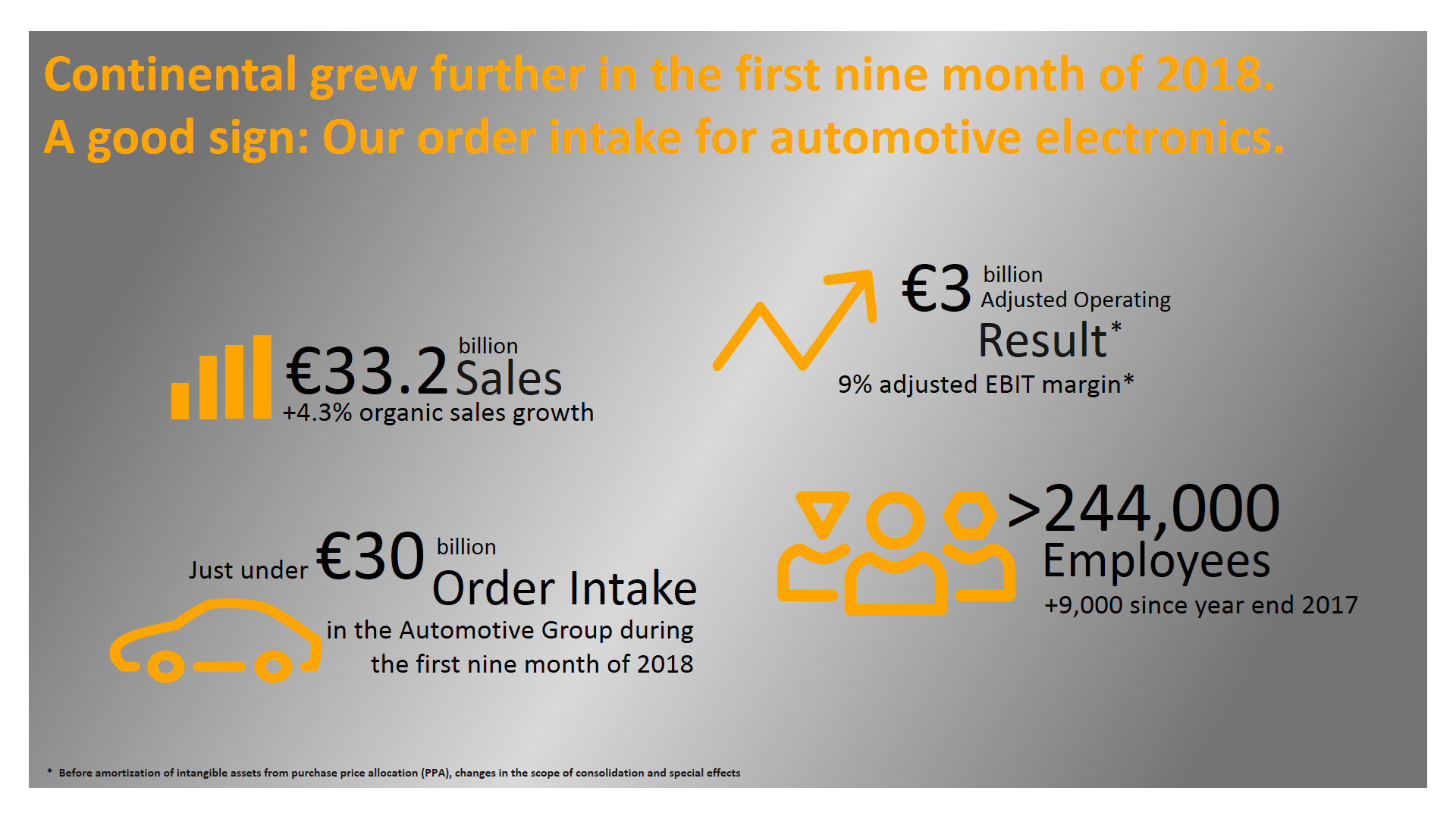
“ Sales of €10.8 billion in the third quarter despite substantial market downturn Order intake remains at very high level, almost matching the previous year’s €30 billion Adjusted EBIT of €772 million (margin: 7.2 percent) CEO Dr. Degenhart: “Our growth in sales and our order intake for automotive electronics are a good sign in light… Continue reading Continental Confirms Earnings Forecast for Current Fiscal Year
Let’s Go for a Spin: Ford Buys Scooter Company to Provide Customers a First-Last Mile Solution
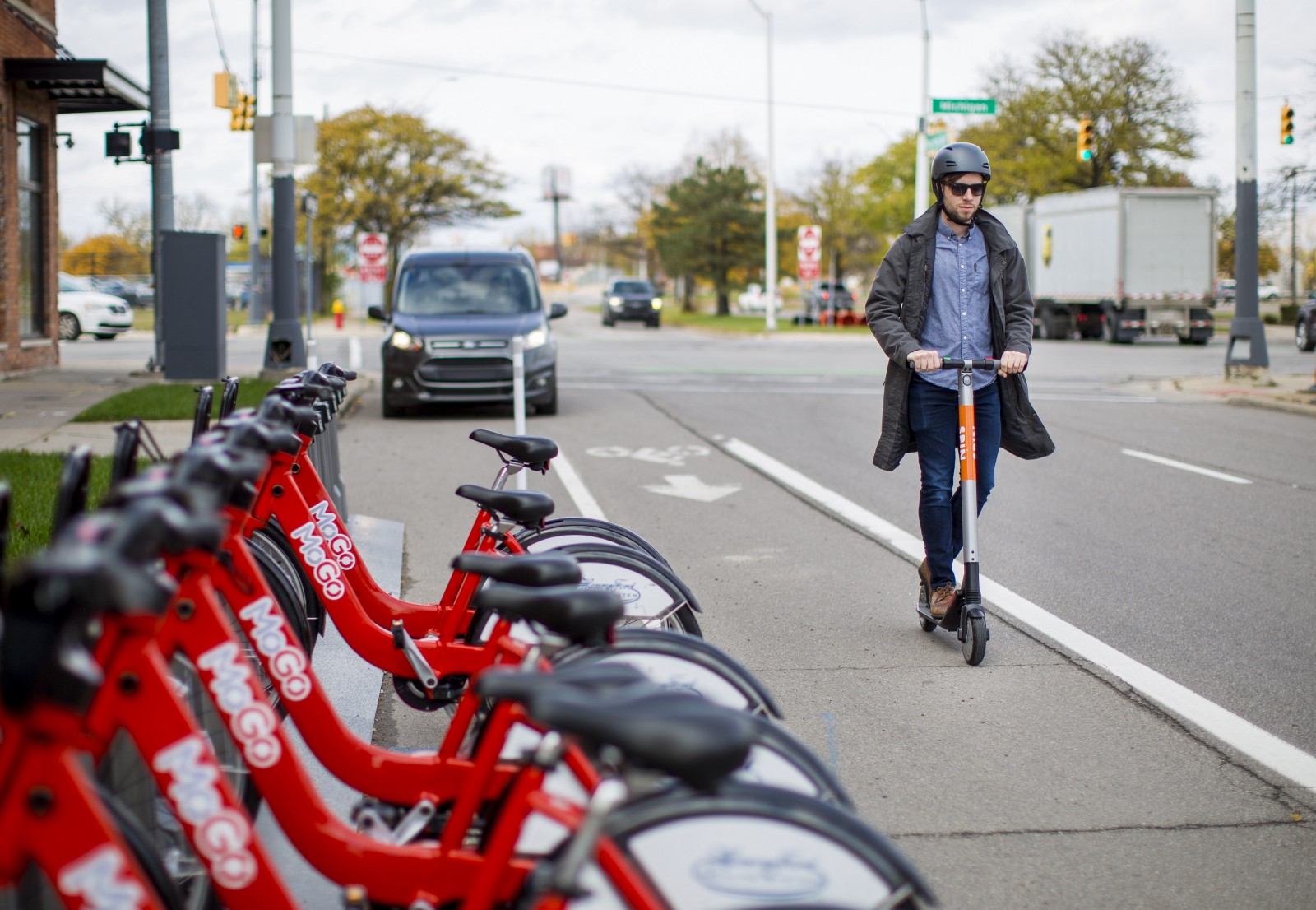
Let’s Go for a Spin: Ford Buys Scooter Company to Provide Customers a First-Last Mile Solution By Sunny Madra, Vice President, Ford X Everywhere you look around the U.S., people’s mobility choices are changing. In crowded and congested cities, especially, many are reconsidering their transportation options. From ride-hailing to dedicated bicycle lanes, people and cities are considering… Continue reading Let’s Go for a Spin: Ford Buys Scooter Company to Provide Customers a First-Last Mile Solution
Ford to buy San Francisco-based scooter sharing company Spin to beef up mobility business
David Paul Morris | Bloomberg | Getty Images
A person displays the SpinBike shared electric scooter application on a Apple Inc. iPhone X in San Francisco, California, on Friday, April 13, 2018.
Ford confirmed Thursday it has agreed to buy San Francisco-based scooter sharing company Spin.
News of the deal was first reported by Axios Wednesday, which quoted a source that put its value at $40 million.
Ford did not disclose the financial terms of the deal.
The move is a bid to beef up Ford's holdings in transportation and “mobility” businesses that don't involve selling cars, and tap what executives say is a rapidly growing market.
Several scooter start-ups, such as Bird and Lime, have risen to prominence recently, and some see these companies as yet another form of transportation, along with ride-sharing, that could undermine the need many households have for a garage filled with cars.
Spin rents out “dockless” scooters, meaning users do not have to park the scooters in designated areas or “docks,” as is commonly seen with similar sorts of services, such as bike-share programs. It currently operates in 13 cities and college campuses, including Denver, Detroit, Long Beach, California; Coral Gables, Florida and Troy University in Alabama. It operates bike-share programs at the University of Kentucky; and the University of California, San Diego.
By the end of 2018, Spin plans to operate in Washington, D.C.; Austin, Texas; Charlotte, North Carolina; Durham, North Carolina, as well as nearby Duke University; and Towson University in Maryland.
Ford has made a number of investments in mobility companies through its Smart Mobility division. In early 2018, the automaker bought Autonomic, a company that makes software meant to connect vehicles and organize transportation networks. When Autonomic CEO Sunny Madra joined Smart Mobility he was named the head of Ford X, an incubator designed to help grow new businesses that can target customers who may be losing interest in traditional car ownership.
Micro-mobility businesses like Spin are growing in a much different way than ride-sharing did, according to Madra. Cities are requiring permits and putting caps on the number of scooters a company can put in an area and where they can be placed.
Madra told CNBC Ford chose to acquire Spin because the way the company works fit Ford's values. “They always launch in markets where they have permits, they work very closely with cities to understand what their needs are,” he said.
Ford wants to grow Spin's business from 13 cities and college campuses today to about 100 in the next 18 months.
“We are really going to give them significant resources to help them scale,” Madra said, adding that the Spin will be able to leverage relationships Ford already has with different cities.
The potential market is large. Madra cited data from transportation research firm Populus, which found that half of all trips in the U.S. are three miles or less.
“Some of the leading companies in this space were getting upwards of 10 million rides in less than a year,” Madra said. “And if you compare that to the most disruptive transportation company in the last 10 years, being Uber, it took them three years to get to get the same level of usage. So it became obvious there was consumer desire in this space.”
Understanding how to scale a business like this will be key.
“That is an important fact because as we grow out our range of mobility offerings, we think autonomous vehicles are going to undergo the same sort of scrutiny that the scooters are in that sense,” he said. “Companies will need to get permits, and there will be caps, and companies will need to operate in very distinct ways.”
Grab secures $50m funding from KASIKORNBANK, marks entry of payments biz in Thailand
November 8, 2018 Ride-hailing major Grab announced that it has raised an $50 million strategic investment from Thailand-based KASIKORNBANK (KBank), at the same time, marking the entry of its payment arm into the Thai market, it said in an announcement today. According to the startup, Grab Financial has secured an e-money licence in Thailand, and… Continue reading Grab secures $50m funding from KASIKORNBANK, marks entry of payments biz in Thailand
Self-driving car industry needs standards and security: executives
BERLIN (Reuters) – Automakers need standards for key equipment, a wide-reaching 5G broadband network and strong partnerships to make self-driving cars and electric vehicles a success, top European car industry executives said on Wednesday. FILE PHOTO – Ralf Speth, CEO of Jaguar Land Rover delivers a keynote speech at their ‘Tech Fest’ in London, September… Continue reading Self-driving car industry needs standards and security: executives
Ford Motor Company to Share Update on Operational Efficiency Improvements at Barclays Global Automotive Conference
About Ford Motor Company Ford Motor Company is a global company based in Dearborn, Michigan. The company designs, manufactures, markets and services a full line of Ford cars, trucks, SUVs, electrified vehicles and Lincoln luxury vehicles, provides financial services through Ford Motor Credit Company and is pursuing leadership positions in electrification, autonomous vehicles and mobility solutions.… Continue reading Ford Motor Company to Share Update on Operational Efficiency Improvements at Barclays Global Automotive Conference
Addison Lee launches self-driving taxi trials in Canary Wharf
Private hire firm Addison Lee has begun trialling self-driving car technology, created by UK startup Oxbotica, on the streets of London. Driving around the skyscrapers of Canary Wharf, Addison Lee’s manned cars are creating a three-dimensional street map of the city in order to create the backdrop for future driverless cars. Organised together with Canary… Continue reading Addison Lee launches self-driving taxi trials in Canary Wharf